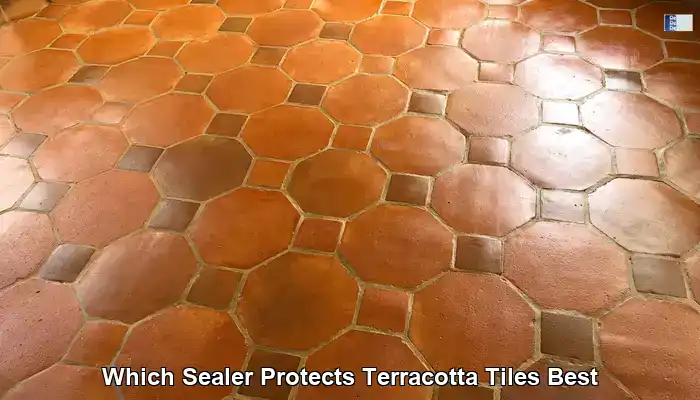
Which Sealer Protects Terracotta Tiles Best: A UK Guide
Last Updated on February 21, 2026 by David
Comprehensive Guide to Terracotta Tile Sealers for Optimal Protection
Terracotta is wonderfully characterful, but it’s also extremely absorbent. That’s why choosing the right sealer matters so much: it slows down absorption, helps prevent staining, reduces day-to-day soiling, and makes routine cleaning far less stressful.
In the UK, where floors often swing between damp and dry conditions, a good sealer helps keep your terracotta stable and easier to live with. The key is picking a sealing system that matches the finish you want (natural, subtly enriched, satin/gloss) and the level of maintenance you’re comfortable with.
Exploring the Functionality of Terracotta Tile Sealers
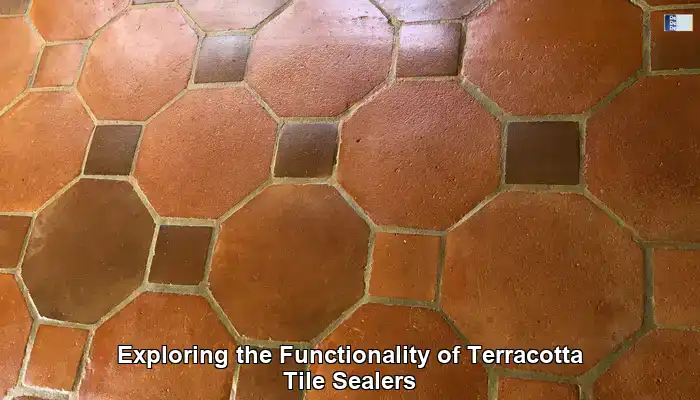
Terracotta sealers protect in two main ways: they either penetrate into the clay to reduce absorption, or they form a thin protective film on the surface. Because terracotta is so porous, sealing isn’t a “nice to have”, it’s the thing that prevents the floor behaving like a sponge.
For Helen-style homes (older, character properties), the big win is control: fewer dark patches from spills, less rapid re-soiling, and a finish that looks intentional rather than patchy or tired.
The Vital Role of Sealing Terracotta Tiles
Without a working sealer, moisture and oils soak in quickly. That’s when you start seeing darkened patches, uneven colour, and a floor that never quite looks clean, no matter how often you mop.
A properly chosen sealer makes routine care simpler and gentler. You shouldn’t need harsh chemistry or aggressive scrubbing just to keep the floor respectable.
Diverse Options for Terracotta Tile Sealers in the UK
The main sealer categories for terracotta are:
Penetrating (impregnating) sealers sit inside the tile. They reduce absorption while keeping a natural, matte look. They’re also the lowest-fuss option because there’s no surface film to scuff or turn sticky.
Enhancing impregnators do the same job as a standard impregnator, but deepen the tone, giving terracotta a warmer, richer look without adding shine. (Always do a small test area first, because terracotta can take enhancement very strongly.)
Topical sealers (acrylic/polymer) create a thin, sacrificial film. They can add satin or gloss and help in busy areas, but they rely on correct application and compatible maintenance. If they’re over-applied, or applied over a floor that isn’t truly clean and dry, they can cloud, feel tacky, and attract dirt.
Traditional wax systems can give a heritage patina and a soft lustre, but they need disciplined upkeep. They’re not “set and forget”.
Top Recommended Sealers for Terracotta Tiles in the UK
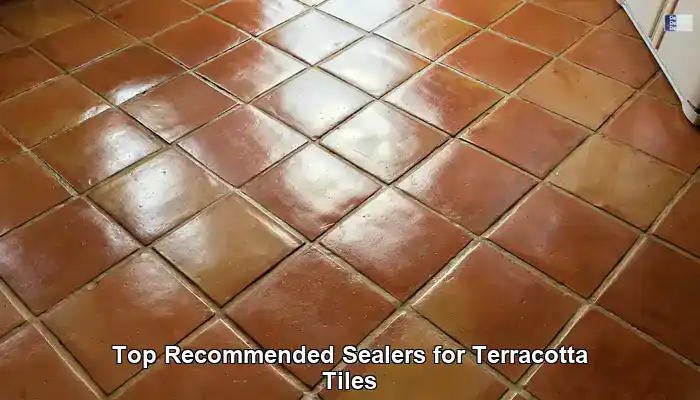
Below are examples of sealing products that fit the three common finish goals: enhanced-natural (penetrating), satin film, and gloss film. The “best” choice depends on the look you want and how you want the floor to behave day-to-day.
Pro Tip: Examples of products used for sealing terracotta tiles.

LTP Colour Intensifier & Stainblock H20
|
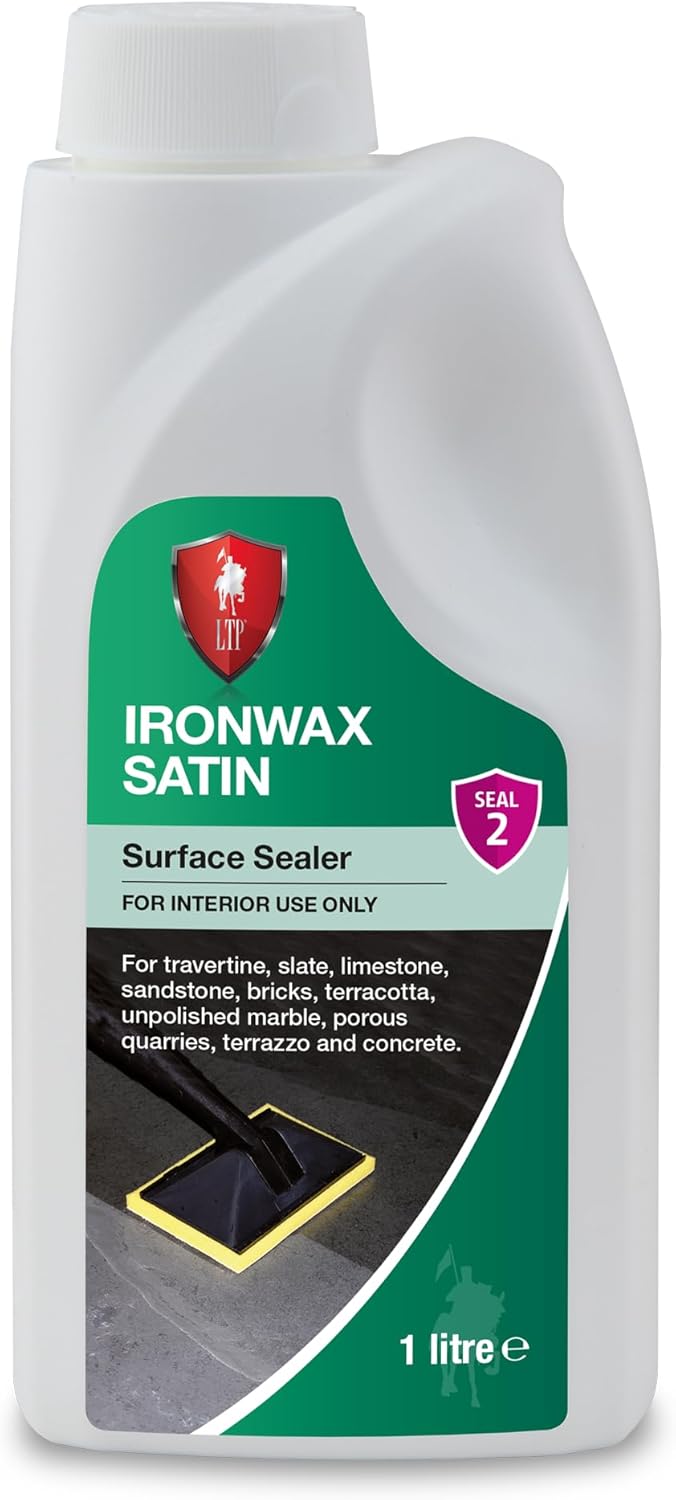
LTP Ironwax Satin
|

LTP Ironwax Gloss
|
LTP Colour Intensifier & Stainblock H20: For a richer, enhanced-natural look
LTP Colour Intensifier & Stainblock H20 is an enhancing impregnator. That means it protects by penetrating into the tile, while deepening the colour rather than creating a surface shine.
This type of sealer suits you if you want terracotta to look warmer and more alive, but you don’t want a film on top. Because terracotta varies hugely, do a small test patch first so you can approve the level of darkening before committing.
LTP Ironwax Gloss: For a higher-gloss, wipe-clean surface film
LTP Ironwax Gloss is a topical (film-forming) option for homeowners who genuinely want a gloss finish.
The big benefit is a visible “sealed” surface that can feel easier to wipe. The trade-off is that it needs correct application and compatible maintenance: too much product, or the wrong cleaner, can lead to cloudiness and tackiness.
LTP Ironwax Satin: A softer sheen for busy areas
LTP Ironwax Satin sits in the middle: a more subtle sheen than gloss, but still a protective surface film.
It can be a good fit for hallways and kitchens where you want a slightly richer look and a bit more surface protection, as long as you’re willing to maintain it correctly (thin coats, compatible cleaners, and no “topping up” over dirt).
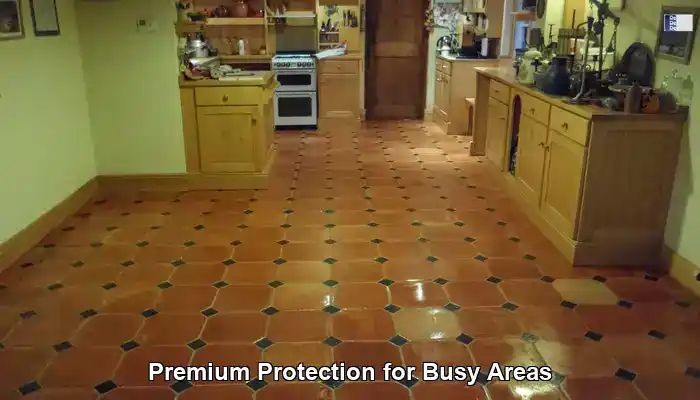
Pro Tip: These are suitable for routine cleaning once your terracotta is sealed.

Fila Pro Floor Cleaner
|

LTP Floorshine
|

Vileda H2PrO Spin Mop System
|
Guidelines for Selecting the Ideal Sealer
If you’re feeling torn, you’re not alone. Most “sealer disappointments” happen because the finish expectation and the maintenance reality didn’t match. These checks keep you on the safe side.
1) Decide the look you actually want
Natural/matte: standard impregnator (least dramatic change, lowest fuss).
Richer colour without shine: enhancing impregnator (test patch essential).
Satin or gloss: topical sealer (more visual impact, but needs more discipline).
2) Match the sealer to your maintenance tolerance
Impregnators are generally the simplest: no film to scuff, and reapplication is usually needed every 1–3 years depending on traffic.
Topical films can look lovely, but they’re sacrificial by design. They may need top-ups, and occasionally a full strip-and-reseal cycle (often every 2–4 years) if layers build up or the surface becomes dull or sticky.
3) Be honest about moisture and drying time
Terracotta needs to be completely dry before sealing. If a floor is sealed too soon (especially with a topical), you can get patchy colour, poor adhesion, or premature failure.
If you suspect old coatings, wax, or ingrained contamination are part of the problem, that becomes a separate job from “choosing a sealer”. This page stays focused on sealer selection, but you can follow a step-by-step terracotta cleaning and sealing process here: Seven Steps To Cleaning And Sealing Terracotta.
Insights from UK customer reviews
Reviews can be useful, but read them with a terracotta filter: the same product can behave very differently depending on how porous the tiles are, whether the floor was fully dry, and whether the maintenance products were compatible.
Application Basics (Kept Simple on Purpose)
Because this is a sealer decision guide, the application guidance here is deliberately simple. The golden rules are:
- The floor must be clean (no residues, no greasy films) and fully dry.
- Apply in thin, even coats and remove excess where the product requires it.
- Allow proper drying and curing time. In the UK, humidity can extend this, so don’t rush it.
If your terracotta is already dull, sticky, patchy, or rapidly re-soiling, it may be telling you the existing finish has failed or built up. In that situation, it’s usually better to diagnose the condition first before choosing what to put back on top. A focused diagnostic page is here: How Can I Tell If Terracotta Tiles Are Worn Out.
Maintaining sealed terracotta for longevity
Maintenance is part of the sealer choice. The wrong cleaner is one of the fastest ways to shorten sealer life.
- Dry sweep/vacuum regularly to reduce abrasion.
- Damp mop with a pH-neutral cleaner that suits your sealing system.
- Avoid steam mops and avoid harsh acidic/alkaline cleaners.
- Expect renewal: impregnators typically 1–3 years, wax systems often 1–2 years, topicals may need top-ups and periodic full cycles 2–4 years.
Frequently Asked Questions about Terracotta Tile Sealers
What is the optimal time to apply sealer on terracotta tiles?
Choose a period when the floor can stay dry and undisturbed. Moderate temperatures and lower humidity help, because terracotta and grout can hold moisture for longer than you think.
How frequently should I reseal my terracotta tiles?
As a general guide, impregnators are often refreshed every 1–3 years depending on traffic. Wax systems are usually 1–2 years. Topical films may need top-ups and can require a full cycle every 2–4 years if build-up occurs.
Is it safe to use acidic cleaners on sealed terracotta tiles?
No. Acidic cleaners can damage sealers and can also harm terracotta. Stick to pH-neutral, system-compatible cleaners.
What is the best method for removing stains from sealed terracotta tiles?
Blot spills quickly and use a suitable cleaner for sealed terracotta. Avoid harsh products that can weaken the sealer and make the problem worse.
Are topical sealers superior to penetrating sealers?
Neither is “better” in all cases. Penetrating sealers are usually lower-maintenance and keep a natural look. Topical sealers can give satin/gloss and extra surface protection, but they demand correct application and compatible maintenance.
Is it permissible to apply sealer to wet tiles?
No. Terracotta must be completely dry before sealing, otherwise you risk patchy absorption, poor adhesion, and early failure.
Do I need to strip the old sealer before applying a new one?
If there’s a surface film (wax/acrylic) that’s failing, sticky, cloudy, or layered, it typically needs resolving before a new system will behave properly. For the step-by-step cleaning and sealing route, use: Seven Steps To Cleaning And Sealing Terracotta.
How can I tell if my tiles need resealing?
Common signs include faster darkening when wet, increased staining, dull/patchy areas, or a surface that feels tacky (often linked to topical build-up). For condition checks, see: How Can I Tell If Terracotta Tiles Are Worn Out.
What type of sealer is best suited for outdoor terracotta tiles?
A breathable impregnating sealer is often preferred outdoors because it reduces absorption without creating a surface film. Outdoor performance still depends heavily on dryness and correct application.
Is it advisable to use floor wax on sealed terracotta tiles?
Wax is a specific system, not a quick fix. It can look beautiful in the right setting, but it requires regular upkeep and careful cleaning between applications. If you want low maintenance, an impregnating sealer is usually the calmer choice.
If you want the wider terracotta care picture (cleaning, sealing, wear, and case studies) in one place, see: Terracotta Floor Care: Cleaning, Sealing, Repair and Restoration Explained.
If you would like to apply to become the contractor for this area, please use the contact form.
Copyright © Abbey Floor Care.
We are proud to be your local stone floor cleaning, polishing, and restoration specialists for homes and commercial properties in Central Scotland.
With years of experience working with all types of stone floors, our friendly and professional stone floor cleaning services can’t be beaten on price or service.
FAQ - Privacy Policy - Terms And Conditions
Abbey Floor Care is a participant in the Amazon Services LLC Associates Programme, an affiliate advertising programme designed to provide a means for websites to earn advertising fees by linking to Amazon.co.uk. As an Amazon Associate, we earn from qualifying purchases.