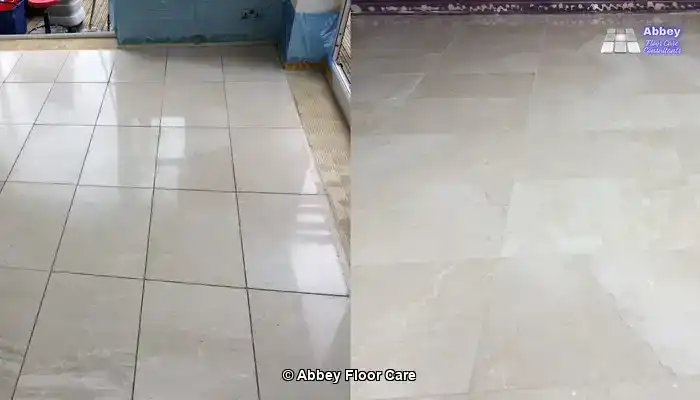
Will Restored Marble Ever Look As Good As New

Will Restored Marble Ever Look As Good As New

Last Updated on November 6, 2025 by David

Article by David Allen – Abbey Floor Care, Tile and Stone Floor Cleaning Expert
Supporting readers interested in maintaining tile and natural stone floors across the United Kingdom for over 30 years.
Abbey Floor Care explain how marble restoration can revive shine, clarity, and colour, helping homeowners understand what ‘like new’ means for their stone surfaces.

Can Marble Really Look Like New Again?
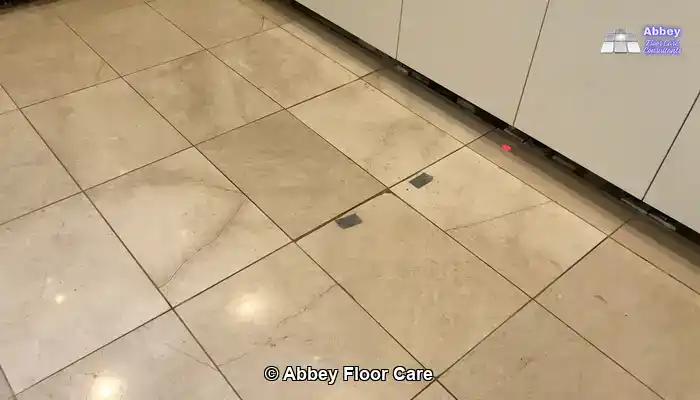
Can Marble Really Look Like New Again
To many homeowners, marble floors with deep cracks, uneven edges, and etched marks can feel beyond saving

What UK Homeowners Need to Know

Marble is prized for its elegance, but over time it can lose the clarity, colour, and shine that made it so striking when first installed. Scratches, dull patches, etch marks, and stains often leave homeowners wondering whether their marble can ever look “like new” again. This guide explores what restoration can realistically achieve, its limits, and how to maintain the results over time. Whether you’re dealing with acid damage, deep wear, or just a tired surface, understanding the process helps you make an informed decision about your stone.

What “Like New” Really Means for Marble

What “Like New” Really Means for Marble
Image of a marble floor restored using our grinding, honing and polishing – Abbey Floor Care

Shine, clarity, and colour depth

When homeowners say they want their marble to look “like new,” they’re usually referring to the original shine and clarity — the way light reflects off the surface and reveals the stone’s natural colour depth. A successful restoration can recreate this effect by removing surface damage and refining the finish. The result is a floor that looks vibrant, smooth, and clean, often indistinguishable from a newly installed slab.

Surface wear vs structural damage

It’s important to distinguish between cosmetic wear and deeper structural issues. Surface scratches, dullness, and light etching can usually be removed through honing and polishing. However, cracks, chips, and internal discolouration may not entirely disappear. Restoration improves what’s visible and tactile, but it doesn’t rebuild the stone. Understanding this difference helps set realistic expectations and ensures satisfaction with the final result.

What Marble Restoration Can and Cannot Fix
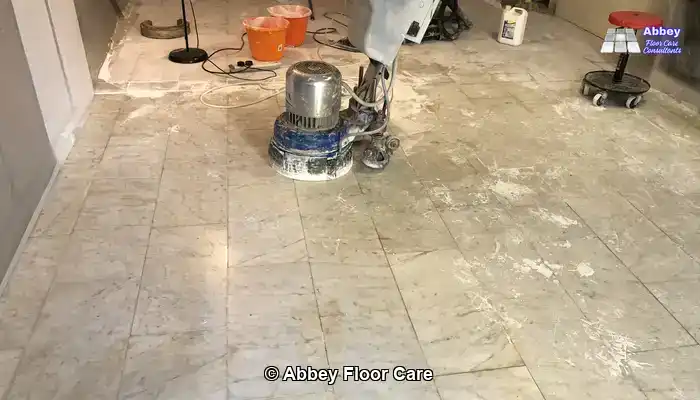
What Marble Restoration Can and Cannot Fix
This marble floor needed our grinding, honing polishing and repair skills

Deep scratches, chips, and acid etching

Restoration can remove most surface-level damage, including scratches and mild etching caused by acidic substances like lemon juice or vinegar. These marks dull the finish and disrupt the stone’s clarity, but honing and polishing can usually restore a smooth, reflective surface. Deep scratches and chips, however, will require grinding or filling. While the overall appearance can be improved, some flaws may still be faintly visible depending on depth and location.

UV damage and internal discolouration

Marble exposed to strong sunlight over time may fade or yellow.

Here’s a breakdown of why this occurs:

UV Ray Damage (Fading): Sunlight, particularly its ultraviolet (UV) rays, can cause the natural pigments in the stone to fade over time. This photochemical reaction can lead to the colour fading and becoming less vibrant or looking “washed out.” This effect is generally more noticeable in specific marble colours.

    • Yellowing: Yellowing in white marble is often attributed to prolonged exposure to UV light.
    • Iron Oxidation: Many types of white marble contain naturally occurring trace amounts of iron. Exposure to moisture and oxidisers (like the air or water) causes the iron to rust, and this process can be accelerated by sunlight and heat, leading to yellow or brown discolouration.
    • Surface Degradation: UV rays can also degrade sealants or resins applied to the marble, causing them to yellow and dull the surface’s appearance.

While marble is durable, it is more susceptible to UV-induced changes than very hard stones like granite or quartzite. This is primarily a concern for marble used in outdoor applications or indoor areas that receive prolonged, intense, direct sunlight (e.g., a sunny windowsill or near a large, unshaded window).

To protect marble, it’s often recommended to use:

  • UV-resistant sealants
  • Shades, blinds, or curtains for indoor pieces
  • Proper placement to limit direct sun exposure.

Restoration can improve surface appearance, but it cannot reverse colour changes that originate below the surface.

Before and After Images Of Marble With Iron Oxide Stains

marble with iron oxide staining berfore restoration
Before – Marble floor in London with iron oxide stains before restoration by Abbey Floor Care
marble with iron oxide staining after restoration still areas of staining
After – The marble floor in London, after restoration and polishing by Abbey Floor Care, still has areas of iron oxide staining.

In these cases, the goal shifts from achieving a “like new” look to creating a cleaner, more uniform finish that minimises visual distractions.

Understanding Honing, Polishing, and Full Restoration

When polishing is enough

Polishing is a surface-level treatment that restores shine by smoothing out fine scratches and enhancing reflectivity. It’s ideal for dull marble that’s otherwise intact. If the stone has lost its gloss due to wear or mild etching, polishing alone may be enough to bring back a like-new appearance. However, it won’t remove deeper flaws or correct uneven surfaces.

When honing or grinding is needed

Honing goes deeper than polishing. It removes a thin layer of the marble to eliminate scratches, etch marks, and surface damage. For more severe wear, grinding may be required to level the stone and reset the finish entirely. These processes are more intensive but offer dramatic results. When homeowners want a truly fresh surface — one that looks and feels like new — honing or grinding is often the necessary step.

Can DIY Kits Compete with Professional Results?

What DIY kits can realistically achieve

DIY marble restoration kits often include polishing powders, sealers, and basic tools. These products can improve surface shine and reduce the appearance of light etching. For small areas or minor dullness, they offer a budget-friendly way to refresh the stone. However, they rarely deliver a true “like new” finish. Without professional-grade abrasives and machinery, deeper flaws remain untouched, leading to uneven results.

Why professional tools matter

Professional restoration involves diamond abrasives, rotary machines, and graded polishing compounds that work in stages. This equipment allows technicians to level the surface, remove deep damage, and refine the finish with precision. DIY kits lack the power and control needed for consistent results across larger areas. For homeowners seeking a flawless, long-lasting outcome, professional tools and experience make a noticeable difference.

How Long Will the Restored Look Last?

Sealing, cleaning, and wear patterns

After restoration, sealing the marble helps preserve the finish by blocking moisture and reducing the absorption of stains. A high-quality sealer can last 1 to 3 years, depending on usage. Regular cleaning with pH-neutral products and avoiding abrasive pads or acidic spills will extend the life of the restored surface. In high-traffic areas, the finish may gradually dull, but with proper care, the clarity and shine can be maintained for years.

Can restoration be repeated?

Yes, marble restoration is a repeatable process. If the surface becomes dull or scratched again, it can be rehoned and repolished. However, each cycle removes a small amount of stone, so it’s best to avoid excessive wear between treatments. Homeowners who follow a maintenance routine — including resealing and gentle cleaning — will find that restoration remains a worthwhile investment over time.

Will Restored Marble Still Develop Patina?

Natural patina vs artificial gloss

Even after restoration, marble continues to age naturally. Over time, subtle wear patterns, micro-abrasions, and environmental exposure contribute to a soft patina — a gentle sheen that reflects the stone’s history. This is different from artificial gloss, which is created through polishing and sealing. A restored surface may look brand new at first, but it will gradually develop character again. For many homeowners, this evolving finish adds charm and authenticity, especially in older properties where marble is part of the home’s story.

Common Questions from Surrey Homeowners

What does it cost in Surrey?

Costs vary depending on the area size, marble condition, and the level of restoration required. Light polishing is more affordable than complete grinding and honing. In Surrey, most homeowners invest in restoration when the marble is in a high-visibility space or as part of a long-term property upgrade. While prices can range widely, the value lies in preserving the stone and enhancing the home’s overall appeal.

Can all marble types be restored?

Most marble types can be restored, but the results depend on the stone’s composition and condition. Softer marbles may show wear more quickly and respond well to polishing. Harder varieties may require more aggressive honing. Some exotic stones with heavy veining or colour variation may not return to a uniform finish. A professional assessment helps determine what’s achievable for your specific floor.

Will the finish match the original installation?

Restoration aims to recreate the original finish, but exact matching depends on how the marble was installed and treated initially. If the stone was factory-polished, the restored surface may look slightly different in gloss level or texture. However, most homeowners find the result visually consistent and far more appealing than the worn surface they started with. The goal is improvement, not perfection — and in most cases, the transformation is striking.

We work throughout the country, just some of our work counties:

Copyright © 2025 Abbey Floor Care. Tile And Natural Stone Cleaning Consultants FAQ - Privacy Policy - Terms And Conditions

Abbey Floor Care is a participant in the Amazon Services LLC Associates Programme, an affiliate advertising programme designed to provide a means for websites to earn advertising fees by linking to Amazon.co.uk. As an Amazon Associate, we earn from qualifying purchases.