
Marble Floor Honing Services: Revitalise Your Floors
Last Updated on January 17, 2026 by David
Understanding Marble Floor Honing Services
What is Marble Honing?
Marble honing is a professional process that refines the surface of a marble floor to remove visible wear such as dull patches, light scratches and traffic lanes. It leaves a smooth, even finish that is usually matte or satin rather than glossy.

Honing works by removing a very thin layer of damaged stone using diamond abrasives. This is important to understand because many “marks” on marble are not dirt at all. They are physical damage (micro-scratching or acid etching) and they do not wash off with cleaning.
Honing is often chosen when a polished floor has lost its clarity, or when a honed floor looks patchy and worn. Polishing is a separate step used to build reflectivity and gloss, so it should only be discussed as the next stage if a high-shine finish is the goal.
Benefits of Honing Marble Floors
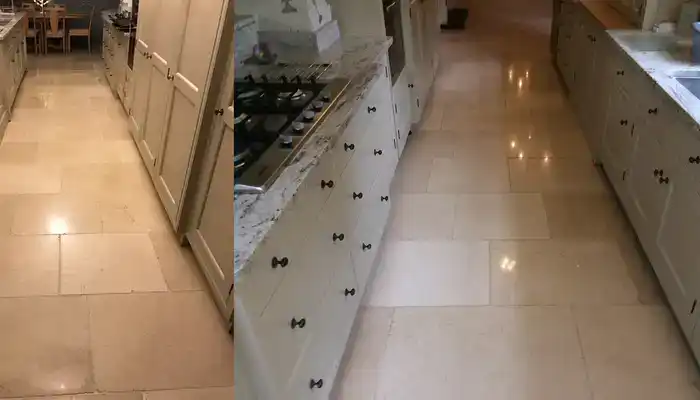
Professional marble floor honing services can:
- Remove dullness and light scratching caused by everyday grit and foot traffic.
- Reduce the visibility of etch marks by mechanically correcting the damaged surface (etching cannot be cleaned away).
- Create an even, consistent finish across the whole floor, rather than a mix of worn and unworn areas.
- Prepare the floor for protection, typically by applying an impregnating sealer afterwards to slow future staining.
Results depend on the stone itself and the condition of the floor. Some marble is softer, some is harder, and natural veining and mineral variation will always remain part of the surface.
When to Consider Honing
It may be time to consider professional marble floor honing services if you notice:
- dull traffic lanes that won’t improve with normal cleaning
- fine scratching that makes the floor look cloudy
- patchy areas where the finish looks uneven
- etch marks from food, drinks, toiletries, or household cleaners
If you’re mainly dealing with routine dirt, smears, or general upkeep, that is a different topic and should be handled as maintenance rather than surface correction.
For day-to-day cleaning guidance, see How To Clean Marble Floors – Professional Help.
How to Prepare for Marble Honing
Good preparation helps the job run smoothly:
- Clear furniture and breakables so the technician has full access to the floor.
- Remove loose grit with dry dusting or vacuuming (a soft floor head).
- If the floor has obvious residues (old coatings, sticky films), mention this when booking so it can be allowed for in the scope.
Your provider may also protect skirting boards and nearby surfaces, and manage slurry and rinse water carefully during the work.
Professional vs. DIY Marble Honing
DIY honing is where floors most often get worse. Marble is very sensitive to abrasion and uneven technique can leave swirl marks, “flat spots”, or patchy sheen. Professionals choose the correct starting grit based on the damage, then work through a controlled abrasive progression to achieve a consistent finish.
If you’re tempted to “have a go”, treat it as a risk boundary: honing removes stone. Once material is taken off, it cannot be put back. A professional assessment is the safer route when the aim is an even, blended result.
The Honing Process
Preparation Steps
A proper honing job starts with preparation. The floor should be free of loose grit and surface debris, and any residues that could interfere with the abrasive stages must be dealt with. If the marble has old waxes, coatings, or adhesive residues, this may require specialist stripping before honing can begin.
Honing Techniques

Honing is carried out with diamond abrasives in stages. The technician selects a starting grit that matches the severity of the damage. Coarser diamonds remove wear and defects; finer diamonds refine the surface and control the final look (typically matte to satin).
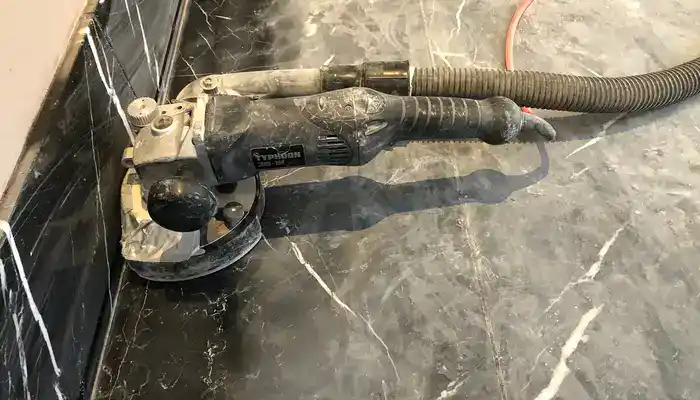
This page keeps the process description at a service level so it doesn’t turn into a full technical manual. If you want a deeper explanation of honing stages and what each step is doing, see What’s Involved In Honing Marble Tiles?.
Important boundary: grinding and levelling (lippage correction) is a separate scope. If your floor has uneven tile edges or pronounced “picture-framing”, standard honing may not be enough and a different approach may be required.
Post-Honing Care
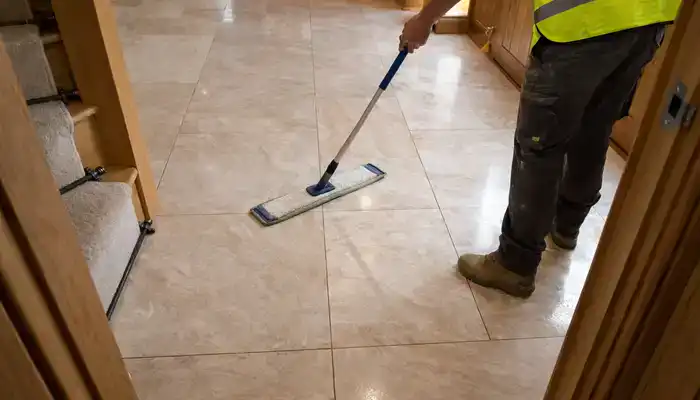
After honing, the next priority is protection. Marble is commonly sealed with an impregnating sealer to slow absorption and give you more reaction time with spills. Sealing helps with staining risk, but it does not prevent etching or scratching.
For ongoing care, keep it simple:
- Use a pH-neutral cleaner designed for natural stone.
- Control grit (mats at entrances, regular dry dusting) to reduce micro-scratching.
- Wipe spills promptly, especially acidic liquids.
- Avoid acidic or bleach-based cleaners, steam cleaning, and abrasive pads.
If you need detailed sealing guidance beyond this page’s scope, see Are Your Marble Tiles Properly Sealed?.
Choosing the Right Service Provider
Qualifications to Look For
Choose a provider who regularly works with marble (not just general “floor cleaning”). Look for clear evidence of experience with honing, and ask how they control the abrasive progression to avoid patchiness.
A good provider will explain what honing can and cannot achieve, and will not promise “perfect” or “like new” results without seeing the floor.
Questions to Ask Potential Providers
- What finish are you aiming for (matte/satin), and how will you keep it consistent across the floor?
- How do you decide the starting grit (based on scratches, etching, and wear)?
- How will edges, corners, and tight areas be handled?
- Is sealing included, and if so, is it an impregnating sealer?
- What will you do if you find issues outside honing scope (such as uneven tile edges)?
Comparing Quotes and Services
When comparing quotes for marble floor honing services, focus on what is included in the scope rather than trying to compare a single number. The main drivers are:
- Area size (larger areas take longer and require more consumables)
- Current condition (light wear vs heavier scratching/etching)
- Layout complexity (tight edges, lots of cut-ins, thresholds, steps)
- Any legacy residues (old coatings or adhesives that must be removed first)
- Whether sealing is included after honing
Keep costs in context: honing is mechanical surface correction, not simple cleaning, so time and finish control matter.
Checking References and Reviews
Look for reviews that mention consistency of finish, cleanliness during the work, and clear explanation of outcomes. If possible, ask to see before-and-after examples of floors that were honed to a similar finish to yours.
Safety and Responsible Working
Good practice includes protecting nearby surfaces, controlling slurry, and leaving the area clean and safe to walk on. If you have concerns about products used in the home, you can ask what cleaners and sealers will be applied, and how ventilation and drying will be managed.
Marble Honing in Different Settings
Residential Marble Flooring
In homes, honing is commonly used to remove the tired, cloudy look that builds up in hallways, kitchens, and living areas. A honed finish can be practical because it doesn’t rely on high gloss to look good, but it still needs sensible maintenance and grit control.
Commercial Marble Flooring
In commercial spaces, traffic lanes can dull quickly. Honing can restore an even finish and make the floor presentable again without needing a high-shine look. The best approach depends on traffic levels, cleaning routines, and how the floor is used day to day.
Historical and Heritage Sites
For heritage floors, the aim is usually controlled improvement rather than chasing a “brand new” appearance. A careful honing approach can reduce wear while respecting the character, natural variation, and limitations of the stone.
Maintenance After Honing
Daily Cleaning Practices
Keep daily cleaning simple and non-abrasive. Use a pH-neutral stone cleaner and a microfibre mop, and remove grit regularly. Avoid acidic cleaners and abrasive pads, which can quickly dull the finish again.
Preventing Damage
Most dulling is caused by grit. Mats at entrances, regular dry dusting, and felt pads under furniture legs make a noticeable difference. Treat spills quickly, especially wine, fruit juice, vinegar-based products, and bathroom chemicals, as these can etch marble.
Regular Maintenance Schedule
How long a honed finish lasts depends on traffic and habits. Many floors benefit from periodic professional servicing before wear becomes obvious. If your marble is in a busy area, getting advice based on your specific usage is sensible.
FAQs
What is marble honing?
Marble honing is a mechanical surface refinement process using diamond abrasives to remove dullness, light scratches, and etching, leaving a matte or satin finish.
How often should I hone my marble floors?
There isn’t a fixed schedule. It depends on foot traffic, grit levels, and cleaning habits. Many floors are honed again when wear becomes visible rather than to a calendar.
Can I perform marble honing myself?
It’s possible, but it’s high risk. Honing removes stone and mistakes often leave swirl marks or patchy finish. Professional honing is usually the safer choice if you want a consistent result.
What are the main benefits of honing?
Honing improves how the floor looks and feels by correcting surface wear (dullness, micro-scratching, etching) and creating a more even, consistent finish.
How do I prepare my space for marble honing?
Clear the area, remove loose grit, and let the provider know about any residues (old coatings, sticky films) so the scope can be allowed for.
What should I look for in a marble honing service provider?
Relevant marble experience, a clear explanation of process and finish, sensible expectation-setting, and a scope that includes protection and cleanup. Avoid anyone promising “perfect” results without seeing the floor.
What tools are used in the honing process?
Professionals use honing machines with diamond abrasives and hand tools for edges and detailed areas, working through a controlled grit progression.
Will sealing stop etching after honing?
No. Sealing helps reduce absorption and slows staining, but it does not prevent acid etching or scratching.
How long does the honing process take?
It varies by area size, condition, layout complexity, and whether any residue removal is needed before honing. Your provider should confirm timing after assessing the floor.
How should I maintain my honed marble floors after honing?
Use pH-neutral stone cleaners, control grit, wipe spills quickly, and avoid acidic/bleach products, steam cleaning, and abrasive pads.
For a wider overview of marble care boundaries (cleaning, damage, honing, polishing and sealing), see Marble – Care, Cleaning, Repair and Restoration Explained.
9 Hazel Avenue
Lenzie
Glasgow
G66 4RR
07533-873-476
Copyright © Abbey Floor Care.
We are proud to be your local stone floor cleaning, polishing, and restoration specialists for homes and commercial properties in Central Scotland.
With years of experience working with all types of stone floors, our friendly and professional stone floor cleaning services can’t be beaten on price or service.
FAQ - Privacy Policy - Terms And Conditions
Abbey Floor Care is a participant in the Amazon Services LLC Associates Programme, an affiliate advertising programme designed to provide a means for websites to earn advertising fees by linking to Amazon.co.uk. As an Amazon Associate, we earn from qualifying purchases.