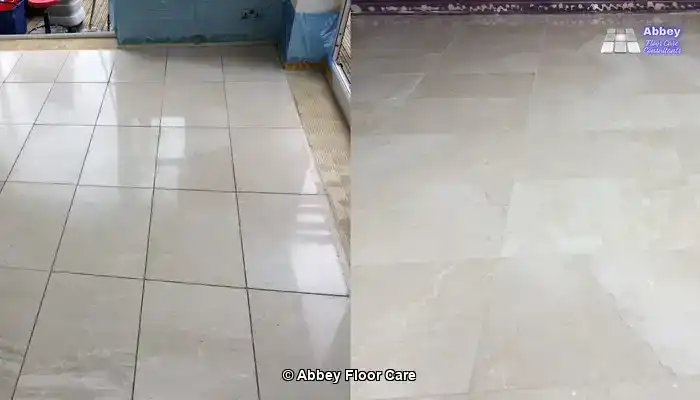
Will Restored Marble Ever Look As Good As New
Last Updated on January 18, 2026 by David
Can Marble Really Look Like New Again?
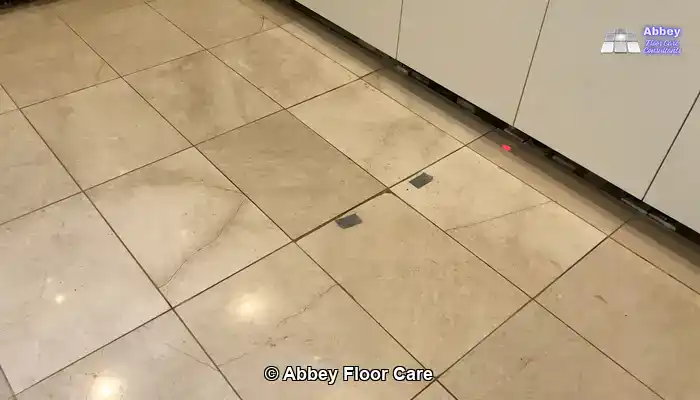
What UK Homeowners Need to Know
Marble is prized for its elegance, but over time it can lose the clarity, colour, and shine that made it so striking when first installed. Scratches, dull patches, etch marks, and general wear often lead homeowners to ask whether their marble can ever look “like new” again. This page explains what restoration can realistically achieve, where its limits lie, and how restored marble tends to age over time. The aim is to set clear expectations, not to promise perfection. For a broader overview of how marble behaves, how it’s cared for, and where restoration fits within that, see our guide to marble care, cleaning, repair, and restoration.
What “Like New” Really Means for Marble
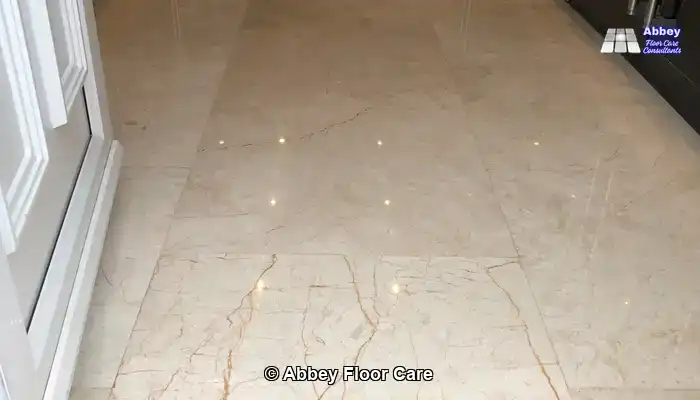
Shine, clarity, and colour depth
When homeowners say they want their marble to look “like new”, they are usually talking about visual qualities: shine, clarity, and colour depth. Restoration can often bring these back by removing surface damage and refining the finish. In many cases, the floor can look very close to how it did when first installed, especially when viewed under normal household lighting.
Surface wear versus structural damage
Not all damage is the same. Surface wear such as scratches, dullness, and light etching usually responds well to restoration. Deeper issues, including cracks, chips, or internal discolouration within the stone, are more limited. Restoration improves the visible surface, but it does not rebuild the marble itself. Understanding this distinction helps avoid unrealistic expectations.
What Marble Restoration Can and Cannot Fix
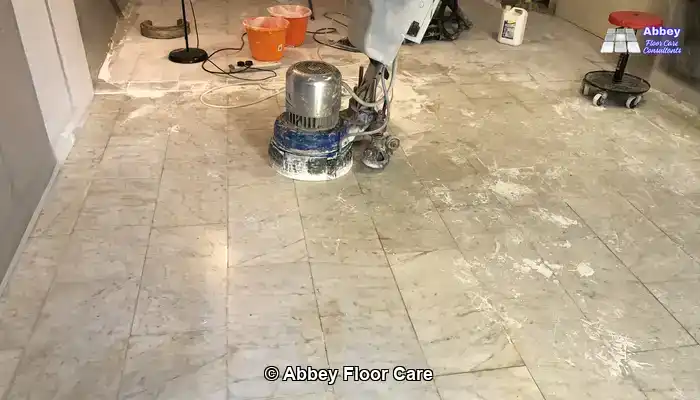
Scratches, wear, and etching
Most surface-level damage, including fine scratches and common etch marks, can usually be removed. This type of damage affects how light reflects from the surface rather than the structure of the stone. Once corrected, the marble often looks clean, smooth, and visually consistent again.
Damage that sits below the surface
Some changes originate below the polished face of the marble. In these cases, restoration can improve overall appearance but may not remove every visible mark. The goal shifts from achieving a flawless look to creating a cleaner, more even finish that draws less attention to remaining imperfections. If you are weighing up home solutions for minor marks, this decision guide explains the realistic limits of DIY etch removal kits: Do Marble Etch Removal Kits Actually Work? (Before You Buy).


Understanding Honing and Polishing in Simple Terms
When polishing is enough
Polishing focuses on restoring shine and clarity by refining the very top of the surface. For marble that looks dull or lightly worn, polishing alone can make a significant visual difference.
When deeper correction is needed
If the marble has heavier wear or widespread etching, a deeper level of surface correction may be required. This removes a thin layer of stone to reset the finish. The results can be dramatic, but the limits of the material still apply. If you want a clearer explanation of what honing involves (without guessing), see: What’s Involved In Honing Marble Tiles?.
How Long Will the Restored Look Last?
Wear, use, and everyday care
A restored marble floor does not stay unchanged forever. Foot traffic, cleaning habits, and general use gradually soften the finish again. With sensible care, the improved appearance usually lasts for many years before further work is considered.
Repeat restoration over time
Restoration can be carried out again in the future if the surface becomes worn. Because each treatment removes a small amount of stone, it is best approached as occasional corrective work rather than something done frequently.
This page focuses on expectations, while our marble care, cleaning, repair and restoration guide explains the processes and limits behind restoration results.
Will Restored Marble Still Develop Patina?
Natural ageing of marble
Even after restoration, marble continues to age naturally. Over time it develops a soft patina created by fine wear and everyday use. This is normal and often appreciated, particularly in older homes. Restoration resets the surface, but it does not stop the stone from developing character again.
Recent Posts:
We work throughout the country, just some of our work counties:
Copyright © 2025 Abbey Floor Care. Tile And Natural Stone Cleaning Consultants FAQ - Privacy Policy - Terms And Conditions
Abbey Floor Care is a participant in the Amazon Services LLC Associates Programme, an affiliate advertising programme designed to provide a means for websites to earn advertising fees by linking to Amazon.co.uk. As an Amazon Associate, we earn from qualifying purchases.