
Ten Simple Tips For Everyday Marble Floor Cleaning
Last Updated on January 25, 2026 by David
Ten Simple Tips For Everyday Marble Floor Cleaning
Marble floors can look stunning, but they can lose their looks quickly if they are cleaned like “ordinary” hard floors. The main thing to understand is simple: marble is a calcite stone, and calcite does not get on with acids. That is where many dull patches and surface marks come from.
This page offers practical, everyday tips for keeping a marble floor clean without causing damage. It is about routine care only, not polishing, restoration, or fixing etched marble.

What makes marble different
Marble is made largely of calcium carbonate. Acidic liquids (and many “multi-surface” cleaners) can react with it, leaving a dull mark called etching. Etching is surface damage, so routine cleaning cannot remove it — it can only help you avoid causing it in the first place. Marble is also softer than many people expect, so grit and harsh pads can scratch it and take its shine.
Tip 1–3: Keep grit off the floor
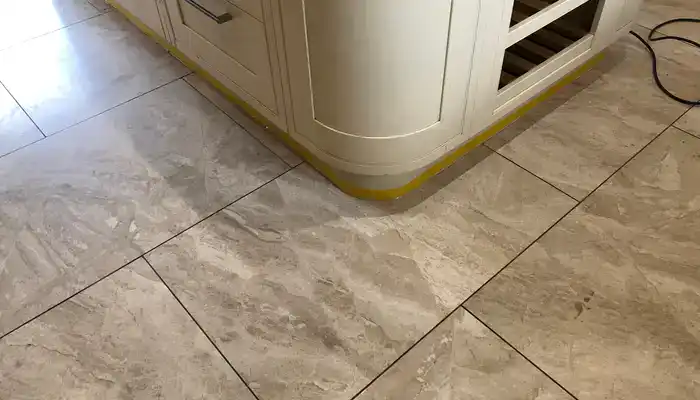
1) Dry sweep regularly with a soft dust mop
Dry sweeping is the easiest way to protect the finish. Fine grit from shoes, slippers, and airborne dust acts like sandpaper underfoot. A soft dust mop removes it before it can do damage.
Important: vacuum or shake out your dust mop after use. If the mop loads up with grit, it can start scratching the marble.
2) Be careful with vacuum cleaners
If you vacuum, use a hard-floor head with soft bristles. Check the wheels are clean and free of grit. A single tiny stone caught in a wheel can leave a trail of marks.
3) Use walk-off mats at entrances
Good entrance mats catch most of the grit before it reaches the marble. Keep them clean so they continue to work.
Note: some rubber or plastic-backed mats can discolour stone over time. If in doubt, choose a mat with a non-staining backing and avoid leaving damp mats in place.
Tip 4–7: Clean safely when you do mop
4) Use a pH-neutral cleaner made for marble
Choose a product labelled safe for marble and pH-neutral. These are designed to clean without slowly dulling the surface.
5) Never use vinegar, limescale remover, or acidic sprays
Vinegar and similar “natural cleaners” are popular for glass and kitchens, but they are not suitable for marble. Even a small spill can etch the surface.
6) Avoid standard floor cleaners for ceramic, vinyl, or “multi-surface” use
Many general floor cleaners are strongly alkaline or contain additives that can leave residue and gradually affect the finish. If it is not made for marble, do not risk it.
7) Mop with microfibre and keep the mop only slightly damp
Use a clean microfibre flat mop and wring it well. If the mop is too wet, you end up pushing dirty water around rather than lifting soil off the floor.
If you are using warm water only, change the water often and use a clean mop head to avoid streaks and smears. Let the floor air dry.
Tip 8–9: Avoid the common causes of scratching and dullness
8) Do not use washing-up liquid
Washing-up liquids are designed to shift grease and deal with minerals in water. On marble they can leave residue and contribute to a dull, smeary look.
9) Never use scouring creams, abrasive powders, wire wool, or harsh pads
Scouring creams contain abrasives that scratch marble. Wire wool and “heavy-duty” pads are made for hard, tough surfaces. Marble is comparatively soft and will mark.
Tip 10: Understand sealing and what it can (and cannot) do
Marble is porous, even when polished. That means some spills can soak in and stain, particularly if the floor is unsealed or the sealer has worn away.
A penetrating impregnating sealer can help reduce the chance of stains by slowing absorption.
Important: Sealing does not stop etching. Acid can still damage marble even if it is sealed. A sealer helps with staining, not acid reaction.
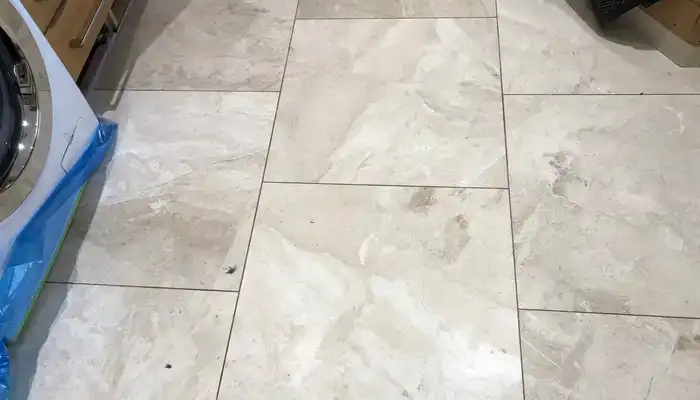
If you want a more detailed, step-by-step explanation of routine marble cleaning methods, you can read our dedicated guide on how to clean marble floors.
If you are looking for cleaning guidance for a different type of floor, this page stays strictly focused on marble. For quarry tiles, use this dedicated guide: best way to clean quarry tiles.
Products commonly used for routine marble floor care
The following products are examples of items commonly used for everyday marble floor maintenance. This page does not compare products or recommend a “best” cleaner — it is here to keep routine cleaning safe and marble-appropriate. Always follow manufacturer instructions and avoid using any product not specifically marked as suitable for marble.

Fila Pro Floor Cleaner
|

LTP MPG Sealer H20
|

Vileda H2PrO Spin Mop System
|
When to stop and get professional help
If your marble has been waxed, coated with a surface sealer, or repeatedly cleaned with unsuitable products, it may look patchy, smeary, or permanently dull. The wrong attempt to “scrub it back” often makes things worse.
In that situation, the safest route is a professional assessment to identify what is on the surface and what the marble itself needs. This page stays strictly within routine cleaning; polishing, restoration, and etch repair belong on dedicated pages.

Article by: David Allen – Abbey Floor Care
UK natural stone specialist with over 30 years of hands-on experience caring for marble floors in domestic homes.
David’s work focuses on how marble behaves during everyday use — why certain cleaners cause dullness or etching, how grit and moisture affect the surface, and how routine cleaning choices influence long-term appearance. His writing is intended to help homeowners clean marble safely and confidently, without sales pressure or unnecessary technical detail.
Recent Posts:
We work throughout the country, just some of our work counties:
Copyright © 2025 Abbey Floor Care. Tile And Natural Stone Cleaning Consultants FAQ - Privacy Policy - Terms And Conditions
Abbey Floor Care is a participant in the Amazon Services LLC Associates Programme, an affiliate advertising programme designed to provide a means for websites to earn advertising fees by linking to Amazon.co.uk. As an Amazon Associate, we earn from qualifying purchases.