
Limestone Floors in UK Homes: Care, Behaviour & Long-Term Considerations
Last Updated on January 24, 2026 by David
Limestone floors are often chosen because they feel calm and natural in a space. When they’re new, they tend to look soft, even, and quietly elegant. Over time, though, many homeowners notice the floor no longer behaves as they expect — even when they’re careful with cleaning.
If that sounds familiar, you’re not alone. The changes people notice aren’t usually sudden or dramatic. They’re gradual shifts in how the floor responds to everyday life, which can feel confusing when nothing obvious has gone wrong. This page is here to explain why limestone often behaves this way.
Why your limestone floor can start to look dull, patchy, or difficult to clean
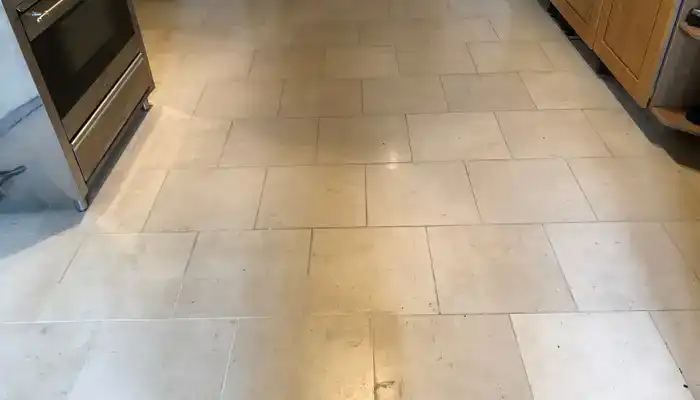
One of the earliest frustrations homeowners describe is that the floor no longer cleans evenly. Some areas darken almost straight away, others stay pale, and well-used routes begin to look tired or grey no matter how often they’re washed.
This happens because limestone absorbs moisture very easily. Over time, small amounts of dirty cleaning water and residue are drawn into the surface. On older floors, repeated exposure can soften the upper layer of the stone. Once that happens, the surface starts to behave more like blotting paper — pulling moisture and soil in rather than releasing it — so the floor never quite looks clean.
If this matches what you’re seeing, this explanation looks more closely at why that uneven appearance develops: What causes dullness or patchiness in a limestone floor
.
Why limestone behaves so differently from harder stone floors

Limestone has a naturally open structure. It’s formed from compacted marine material, which leaves tiny pathways, fossil marks, and surface features throughout the stone. Even limestones that feel dense underfoot still allow moisture to move into the surface.
This is why limestone reacts more quickly than harder stones to everyday use. Spills, cleaning, and foot traffic all leave a mark sooner, particularly in kitchens, bathrooms, and entrances. That sensitivity doesn’t mean something has failed — it reflects how the material behaves by nature.
If you’re weighing up where limestone works best in a home, this page explores that balance in more detail: Limestone flooring in kitchens: benefits and limitations
.
Why stronger cleaning usually makes limestone harder to live with
When marks don’t lift easily, it’s natural to try something stronger. On limestone, that often makes the surface behave less predictably rather than more.
Acidic cleaners can lightly dissolve the surface, leaving pale areas and increasing absorption. Abrasive pads can roughen stone that’s already softened by moisture. Each time this happens, the surface becomes more open and more prone to uneven darkening. The floor can end up looking patchier over time, even though more effort is being put into cleaning.
If staining is what’s worrying you most, this explanation looks at why marks behave differently on limestone: Why limestone floors stain — and why stains don’t always clean away
.
How limestone floors tend to change as they get older
Limestone rarely deteriorates all at once. Instead, it changes gradually. Traffic routes may start to look dull or grey, certain areas may darken quickly when cleaned, and soil can collect along tile edges or natural surface features.
Some of these changes affect appearance more than performance. Others indicate that the surface of the stone itself has been altered. Knowing the difference matters, because surface change doesn’t respond to cleaning in the same way everyday dirt does.
Why “care”, “repair”, and “restoration” mean different things for limestone
Limestone floors are looked after in different ways depending on what’s happening at the surface. Routine care focuses on limiting how much moisture and residue enter the stone. It helps preserve the surface but doesn’t change how the stone already behaves.
Repair becomes relevant when there are localised issues such as small pits, cracks, or damaged grout. Restoration is broader. It addresses widespread surface wear or weakening so the floor behaves more evenly again.
If it helps to see how those distinctions play out on a real floor, this case study shows how surface wear was corrected in a limestone kitchen: Real limestone floor restoration case study.
For a clearer sense of how these terms are used in practice, these explanations may also be useful: Limestone honing and repair explained
and What limestone restoration involves — and when it’s considered
.
Why everyday use affects limestone floors
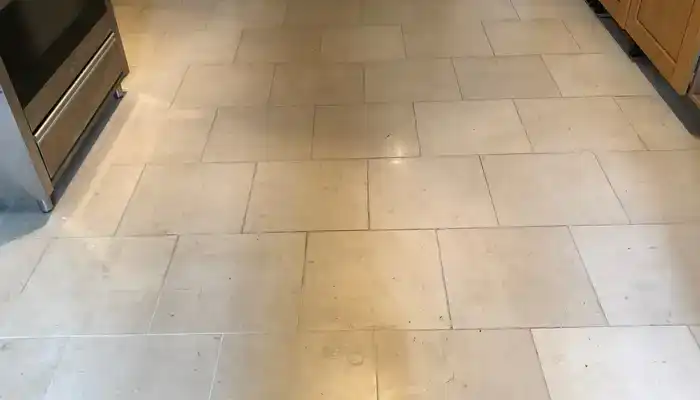
Every limestone floor has natural limits. Some are set by the stone itself, and others by how the home is used day to day.
Moisture levels, pets, underfloor heating, and traffic all influence how limestone looks over time and how consistently it responds. Recognising those limits can make the changes you’re seeing feel less puzzling.
When understanding the stone is enough — and when it isn’t
This page is here to help make sense of limestone as a material: how it behaves, why it changes, and why certain frustrations tend to repeat even with careful maintenance.
When a concern becomes more specific — such as visible etching, deep staining, or uncertainty about whether the surface itself has been affected — a more focused explanation is often more reassuring than general guidance. For example: What causes dullness or patchiness in a limestone floor.
Recent Posts:
We work throughout the country, just some of our work counties:
Copyright © 2025 Abbey Floor Care. Tile And Natural Stone Cleaning Consultants FAQ - Privacy Policy - Terms And Conditions
Abbey Floor Care is a participant in the Amazon Services LLC Associates Programme, an affiliate advertising programme designed to provide a means for websites to earn advertising fees by linking to Amazon.co.uk. As an Amazon Associate, we earn from qualifying purchases.