Get Your Shine Back: Homeowner’s Guide to Terrazzo Polishing
Last Updated on January 20, 2026 by David
Professional Terrazzo Polishing: What It Is and What It Achieves

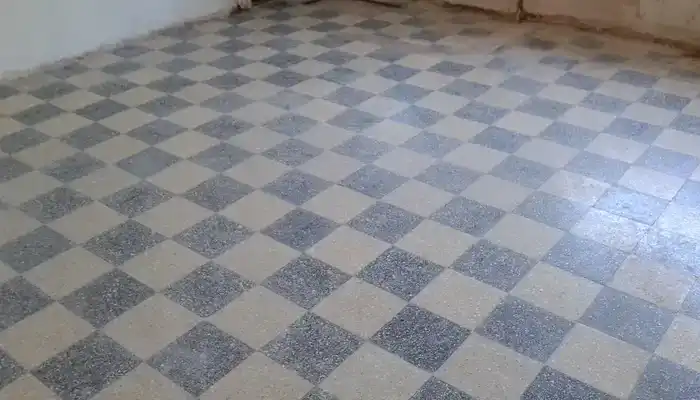
Professional terrazzo polishing is a specialist process used to restore clarity, smoothness, and controlled sheen to worn terrazzo floors. In UK homes, terrazzo is most commonly a cement-matrix floor containing marble chips. Over time, the cement binder becomes more porous and absorbent, allowing soil to embed and the surface to lose definition and light reflection.
Polishing does not simply “add shine”. When carried out correctly, it forms part of a structured resurfacing sequence that refines the surface, evens wear patterns, and prepares the floor for long-term protection. It is particularly appropriate where cleaning alone no longer improves appearance, or where dull traffic lanes, fine scratching, or loss of clarity are evident.
Types of Terrazzo Commonly Encountered in UK Homes
Professional polishing approaches vary depending on the terrazzo construction:
- Cement-matrix terrazzo – the most common domestic type; sensitive to acids and long-term alkaline cleaning.
- Venetian (Palladiano) terrazzo – larger marble fragments set into cement; often found in older or character properties.
- Epoxy terrazzo – largely commercial and rarely present in UK homes, requiring different systems.
Correct identification at assessment stage is essential, as the polishing sequence, abrasives, and finishing options must suit the binder and aggregate.
Benefits of Professional Terrazzo Polishing
Restored Finish and Visual Clarity
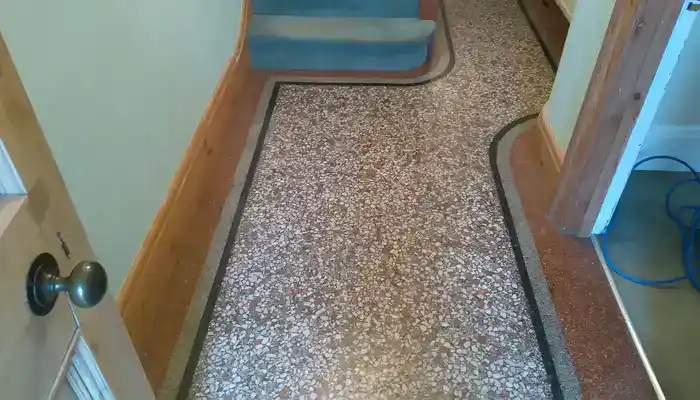
Polishing refines the cement matrix and marble chips to restore light reflection and definition. Depending on preference and usage, finishes may range from a practical satin through to a higher polish. It is important to understand that higher sheen shows wear more readily, so finish choice should balance appearance with lifestyle and traffic.
Improved Surface Performance
By mechanically refining the surface, polishing removes micro-scratches and worn binder at the top layer. This produces a smoother, tighter surface that is easier to maintain and less prone to rapid re-soiling once sealed correctly.
Hygiene and Ease of Cleaning
A properly honed or polished terrazzo floor has fewer open pores and surface irregularities. Routine cleaning with pH-neutral products becomes more effective, without reliance on aggressive chemicals that can damage the binder.
The Professional Terrazzo Polishing Process (High Level)
Assessment and Preparation
Every terrazzo floor requires an initial assessment to identify wear depth, embedded soil, cracks, holes, or lippage between tiles. Old coatings, residues, and contamination must be removed so the true condition of the surface is visible before any polishing decisions are made.
Grinding and Honing
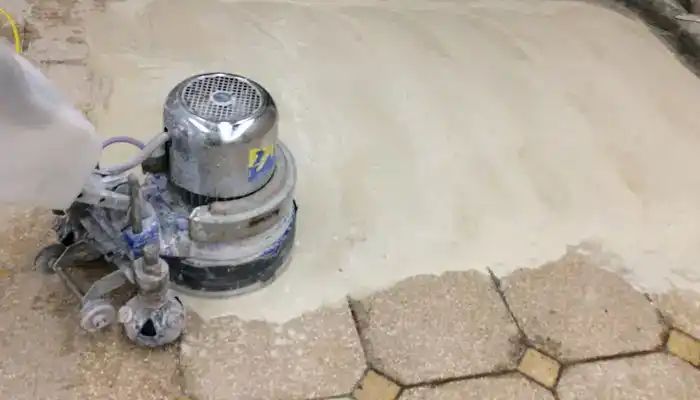
Where wear, dullness, or unevenness is present, controlled grinding removes the damaged surface layer and corrects lippage. Honing stages then progressively refine the surface, removing grinding scratches and preparing the floor for its chosen finish. This stage defines the long-term quality of the result.
Final Polishing and Sealing
Polishing is an optional refinement stage used where additional sheen is desired. Densifiers may be introduced to strengthen the cement matrix before final polishing. Once the surface is complete, an appropriate sealer is applied to manage absorption and simplify ongoing care. Sealers do not prevent etching or scratches, but they do provide valuable protection against rapid soiling.
Equipment and Materials
Professional terrazzo polishing relies on diamond abrasives, specialist grinding machinery, and terrazzo-appropriate sealers. Polishing powders and densifiers may be used selectively, with care, depending on the condition and composition of the floor.
Pro Tip: Keep the finish you’ve paid for (without damaging the binder)
After professional polishing, the biggest risk is undoing the result with the wrong cleaner or the wrong tool. For most UK terrazzo (cement matrix with marble chips), routine care should stay pH-neutral, low-residue, and non-abrasive. The items below are examples of the kind of products and tools that suit that goal. They are not a substitute for professional assessment, and they will not fix wear, etching, lippage, or cracks — but used correctly, they help you maintain clarity and reduce rapid re-soiling between professional visits.

Fila Pro Floor Cleaner
A pH-neutral style cleaner for routine mopping. Helps avoid the alkaline/acid damage that slowly dulls cement-matrix terrazzo.
|

Lithofin Easy Care
Designed for sealed floors where residue build-up is a problem. Useful when you want “clean” without film or stickiness.
|

Vileda H2PrO Spin Mop System
Helps keep mopping “damp, not wet”, which matters on older, more absorbent terrazzo binders.
|
Aftercare and Long-Term Maintenance

Routine care should focus on dry soil removal and pH-neutral cleaning. Strong alkalis, acids, abrasive pads, and detergent-heavy products accelerate binder damage and undo restoration work. Over time, high-traffic areas may require periodic professional maintenance or re-sealing, which is normal for cement-based terrazzo.
If polishing no longer improves appearance, or if cracks, hollow areas, or rapid re-soiling persist, this usually indicates deeper surface wear that falls outside routine maintenance.
For broader understanding of terrazzo care, restoration boundaries, and related issues, see the main guide to domestic terrazzo flooring:
Terrazzo Floors in UK Homes: Care, Polishing & Restoration Explained.
Frequently Asked Questions
Is polishing the same as full terrazzo restoration?
No. Polishing refines an already sound surface. Where there is deep wear, lippage, cracking, or embedded contamination, grinding and repair are required before polishing is considered.
How long does professional terrazzo polishing last?
Longevity depends on traffic levels, finish choice, and maintenance habits. Polished finishes show wear sooner than satin finishes, but all benefit from correct cleaning and periodic professional review.
Can polishing fix cracks or uneven tiles?
Cracks, holes, and lippage must be repaired or corrected before polishing. Polishing alone does not resolve structural defects.
Does sealing make terrazzo scratch-proof?
No. Sealers manage absorption and ease of cleaning, but they do not prevent scratching or etching of marble chips or cement binder.
Recent Posts:
We work throughout the country, just some of our work counties:
Copyright © 2025 Abbey Floor Care. Tile And Natural Stone Cleaning Consultants FAQ - Privacy Policy - Terms And Conditions
Abbey Floor Care is a participant in the Amazon Services LLC Associates Programme, an affiliate advertising programme designed to provide a means for websites to earn advertising fees by linking to Amazon.co.uk. As an Amazon Associate, we earn from qualifying purchases.