
Polishing Ceramic Tiles for Lasting Shine and Comfort Underfoot
Benefits of professional polishing ceramic tiles
Enhanced Appearance

The transformation of ceramic tiles through professional polishing is genuinely remarkable. Over time, tiles can become dulled and lose their original lustre due to everyday wear and tear. A well-executed polishing service can breathe new life into these surfaces, restoring their vibrant shine and making them look almost as good as new again. This process not only improves the aesthetic appeal of your flooring but also increases the overall value of your property.
Pro Tip: We recommend these products for daily Ceramic maintenance cleaning.


In the UK, where homes often blend modern and traditional styles, maintaining a pristine appearance is crucial. Whether your tiles are in a contemporary kitchen or a classic Victorian bathroom, polished tiles can seamlessly enhance the overall decor. Professional services utilise specialised equipment and high-quality polishing compounds that effectively eliminate scratches, stains, and dullness, revealing the beauty beneath. The result is a cleaner, brighter surface that reflects light beautifully, adding warmth and character to the room.
Moreover, the visual impact of polished tiles can have a considerable influence on potential buyers. A well-polished floor can be a focal point that draws attention during property viewings, making a significant difference in how your home is perceived. Buyers are more likely to be attracted to spaces that are well-maintained and visually appealing, thus increasing the potential for a quicker sale at a better price.
Increased Durability
One of the most vital benefits of professional polishing ceramic tiles is the enhancement of durability. Through the polishing process, a protective layer is applied, which acts as a barrier against daily wear and tear. This added layer can significantly increase the lifespan of your tiles, making them more resistant to scratches, stains, and general wear and tear.
Ceramic tiles, particularly in high-traffic areas such as corridors and entryways, are prone to wear. However, with regular professional polishing, the tiles can withstand the rigours of daily life, maintaining their structural integrity. The polishing compounds used not only restore shine but also ensure that the tiles remain resilient against moisture and dirt accumulation. This is especially important in the UK, where weather conditions can lead to increased dirt and grime, making regular maintenance essential for longevity.
Investing in professionally polished ceramic tiles is also an environmentally friendly choice. By prolonging the life of your tiles, you reduce the need for replacements, which in turn lessens waste and the demand for new materials. This sustainable approach not only protects your investment but also contributes positively to the environment, aligning with increasing consumer awareness of eco-friendly practices in home maintenance.
Improved Hygiene
Polished ceramic tiles provide a hygienic environment, a crucial consideration in today’s health-conscious society. The process of professional polishing ceramic tiles results in a smoother surface that is less likely to harbour bacteria, allergens, and grime. This is particularly beneficial in homes with children or pets, where cleanliness is paramount.
Regularly polished tiles are much easier to clean, requiring less effort and fewer harsh chemicals to achieve a sparkling finish. The smooth, polished surface allows for quick wiping and sweeping, reducing the time spent on maintenance. For individuals sensitive to allergens or those with respiratory issues, this easy-to-clean feature can significantly contribute to a healthier home environment.
In commercial settings, such as restaurants or healthcare facilities, the hygiene benefits of polished tiles are even more pronounced. A sanitary environment not only meets health regulations but also enhances the overall customer experience. The visual appeal of clean, shiny tiles can create a welcoming atmosphere, encouraging patrons to return, thereby positively impacting business success.
Choosing the Right Professional Service

Research and Reviews
Finding exemplary service for professional ceramic tile polishing begins with thorough research. In the UK, numerous companies offer tile polishing services, but not all of them meet the high standards expected by homeowners. When selecting a service provider, check online reviews and ratings on platforms such as Trustpilot or Google Reviews. Look for feedback from previous customers to gauge the reliability and quality of service.
It’s beneficial to compile a list of potential service providers, ensuring to examine their portfolios, which often showcase before-and-after photos of their work. This visual evidence can provide insight into their expertise and the results you can expect. Additionally, seeking recommendations from friends, family, or local community groups can yield valuable information about reputable services in your area.
Take the time to contact several companies and ask questions about their experience with ceramic tile polishing. This interaction can also reveal their customer service approach, giving you an idea of how responsive and helpful they are. A professional service should be able to provide clear answers regarding its techniques, equipment, and any guarantees it offers on its work.
Qualifications and Experience
When investing in professional polishing of ceramic tiles, it is essential to select a service that employs qualified and experienced personnel. In the UK, many companies advertise their services, but ensuring they have trained professionals is key to achieving the best results. Look for certifications or affiliations with recognised industry bodies, which indicate a commitment to maintaining high standards of artistry.
Experience plays a significant role in the quality of service provided. Seasoned professionals will have encountered a variety of tile types and conditions, enabling them to tailor their techniques accordingly. They can identify specific challenges, such as uneven surfaces or stubborn stains, and tailor their approach to suit the unique needs of your tiles. By choosing a company with a proven track record, you can be confident that your tiles are in capable hands.
Moreover, consider asking potential service providers about their ongoing training. The field of tile maintenance continuously evolves, with new products and techniques emerging regularly. A company committed to staying current with industry trends will be better equipped to provide you with the most effective and innovative solutions for your ceramic tiles.
Cost and Value
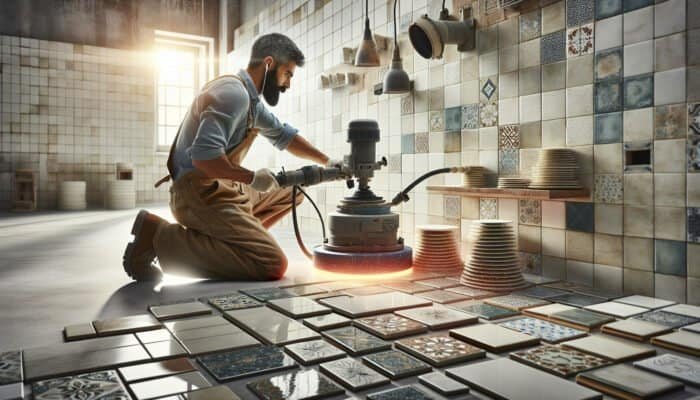
Understanding the cost of professional polishing ceramic tiles is essential for making an informed decision. Prices can vary significantly from one service provider to another, influenced by factors such as the condition of the tiles, the size of the area to be polished, and the techniques used. When comparing quotes, focus not only on the price but also on the value being offered.
Beware of unusually low prices, which could indicate subpar service or the use of inferior products. Instead, seek a balance between cost and quality. A higher price tag may come with a guarantee of better results, the use of high-end equipment, and the expertise of experienced professionals.
Consider the long-term benefits of professional polishing. Investing in quality service can save you money in the long run by prolonging the life of your tiles and reducing the need for frequent maintenance. Additionally, polished tiles can enhance the aesthetic appeal of your space, potentially increasing your property’s value.
Availability and Response Time
The availability and responsiveness of a service provider can significantly impact your experience with professional ceramic tile polishing. Before making a decision, inquire about their scheduling process and how quickly they can accommodate your needs. A reliable service will provide clear timelines and ensure they can fit your appointment into their calendar without unnecessary delays.
When you reach out to a company, evaluate their response time. A prompt reply to your inquiries is a positive indicator of their customer service commitment. If a company takes an excessive amount of time to respond or seems disorganised, this could reflect their overall efficiency.
Flexibility is also an essential factor. Some service providers may offer evening or weekend appointments, which can be a significant advantage for those with busy schedules. Choosing a service that demonstrates a willingness to accommodate your availability can lead to a smoother overall experience.
Preparation for Polishing
Clearing the Area
Before the professional polishing ceramic tiles process begins, it’s essential to prepare the area adequately. This means clearing the space of all furniture, decorations, and other items that could obstruct access to the tiles. A clean, empty area allows the professionals to work efficiently and reduces the risk of damage to your belongings.
Taking the time to remove all items also helps prevent any accidental scratches or marks on furniture during the polishing process. If your tiles are located in a high-traffic area, consider temporarily relocating items to a less-trafficked area of the house. This step not only facilitates a smoother workflow for the professionals but also ensures that your belongings remain safe and protected.
Additionally, if you have any large furniture pieces that are challenging to move, consider discussing this with the polishing service beforehand. Many professionals have the experience and tools to handle such situations delicately. They may suggest ways to work around certain items or provide specific guidelines on how to ensure a successful polishing job.
Cleaning the Tiles
Thorough cleaning of the tiles is a vital preparatory step before professional polishing of ceramic tiles can commence. Dust, dirt, and grime that accumulate on the surface can interfere with the polishing process, preventing the agents from adhering properly and achieving the desired finish. Engaging in a detailed cleaning routine will set the foundation for a successful polish.
Use a high-quality tile cleaner specifically designed for ceramic surfaces. A combination of sweeping or vacuuming to remove loose debris, followed by mopping or scrubbing with the cleaner, will ensure all dirt is eliminated. Pay special attention to grout lines, as these areas can harbour dirt and stains that might detract from the final polished appearance.
In cases where the tiles have severe stains or discolouration, consider using a more robust cleaning solution or seeking professional advice on the best cleaning methods. This initial cleaning step is not only crucial for the polishing process but also contributes to the overall maintenance of your tiled surfaces, ensuring they remain in optimal condition.
Protecting Surrounding Surfaces
As the polishing process for professional ceramic tile polishing begins, protecting the surrounding surfaces becomes paramount. This step safeguards your walls, baseboards, and any adjacent flooring from potential damage caused by polishing agents or equipment.
Using king tape to cover edges and borders is an effective way to prevent accidental splashes or smudges. Additionally, consider laying down protective sheets or tarps over nearby surfaces to avoid damage. This extra precaution can save you time and effort in cleaning up after the polishing job is complete, allowing the professionals to focus solely on achieving the best results for your tiles.
When discussing the project with your chosen service provider, inquire whether they have standard procedures in place for protecting surrounding areas. A reputable company will have protocols in place to ensure that the entire process is as mess-free as possible, demonstrating its commitment to professionalism and quality.
Inspecting the Surface
Before commencing the polishing process, a thorough inspection of the tiles is critical. This evaluation enables professionals to identify any existing damage, such as cracks or chips, that may require repair before professional polishing of ceramic tiles can occur. Addressing these issues upfront ensures a smoother and more effective polishing outcome.
During the inspection, professionals will assess the condition of the tiles, noting any problem areas that could affect the final results. For example, deep scratches or significant wear may require specific treatments or additional steps to prepare the surface adequately. By communicating these findings with the client, professionals can provide tailored advice on the best course of action.
In some cases, repairs may involve filling in chips with a suitable product or resurfacing the damaged area before polishing. This diligence in preparation not only enhances the appearance of the polished tiles but also contributes to their overall longevity and durability, ensuring that your investment pays off for years to come.
Gathering Necessary Equipment
To ensure a seamless professional polishing experience with ceramic tiles, gathering all necessary equipment before the process begins is essential. Professionals typically arrive well-equipped with the tools needed for the job; however, understanding what’s involved can help you appreciate the complexity of the process.
Essential tools include specialised publishing machines designed for ceramic surfaces, high-quality polishing pads, and various polishing compounds tailored to your tile type. Each piece of equipment plays a crucial role in achieving that desired shine and protection. The use of the right machinery not only enhances efficiency but also delivers a superior finish that manual methods may struggle to reach.
Additionally, consider discussing the specific products and techniques the professionals plan to use. A reputable service provider should be able to explain their processes clearly and confidently, ensuring that you’re informed about the materials being applied to your tiles. This transparency fosters trust and ensures that you feel confident in the investment you’re making in your home.
The Polishing Process
Initial Assessment
The journey of professional polishing ceramic tiles begins with an essential initial assessment. This step enables professionals to assess the current state of your tiles and determine the most suitable polishing method to achieve optimal results. During this assessment, technicians will inspect the tiles for various factors, including their condition, type, and any specific damage that may require attention.
Experienced professionals understand that not all ceramic tiles are created equal. Certain tiles may respond better to specific polishing techniques or products, while others may require additional preparatory work. By conducting a thorough assessment, they can tailor their approach to suit your specific floor needs.
Moreover, the initial assessment provides an opportunity for the professionals to communicate openly with you about what to expect. They can offer insights into the entire process, timelines, and any potential limitations based on the current condition of your tiles. This transparency ensures that you are well-informed and sets realistic expectations for the outcome.
Application of Polishing Agents
Once the assessment is complete, the next crucial step in professional polishing ceramic tiles is the application of specialised polishing agents. These agents are designed to restore the shine of your tiles while also protecting against future damage. The choice of polishing agent depends on the material and finish of your tiles, ensuring that the application is both practical and safe.
Professionals will typically start by applying the polishing compound using a machine specifically designed for this purpose. This equipment helps evenly distribute the polishing agent across the tile surface, ensuring full coverage and optimal results. As the agent is worked into the tiles, it interacts with the surface, filling in micro-scratches and creating a smooth, reflective finish.
It’s important to note that the application process may vary based on the condition of the tiles. For heavily stained or dull tiles, multiple applications of the polishing agent may be necessary to achieve the desired level of shine. Professionals closely monitor the process to determine when to proceed to the buffing stage, ensuring that every tile reaches its full potential.
Buffing and Finishing
The final stages of professional polishing ceramic tiles involve buffing and finishing, crucial for achieving that coveted high shine. After the polishing agents have been applied, professionals use buffing machines equipped with soft pads to buff the tiles gently. This process not only enhances the shine but also helps to remove any excess polishing agent that may have been left behind.
Buffing is a delicate art that requires skill and attention to detail. Professionals will adjust the pressure and speed of the machine to ensure that they do not damage the tiles, maximising their shine. A correctly executed buffing process results in a smooth, glossy surface that reflects light beautifully, bringing out the colours and patterns of the tiles.
Once the buffing is complete, a thorough cleaning of the area is performed to eliminate any remaining residue. Professionals will then conduct a final inspection of the tiles to ensure that the results meet quality standards. This includes checking for even shine, ensuring that no areas have been overlooked, and confirming that the overall appearance matches your expectations.
Final Inspection and Maintenance Advice
Once the polishing process is complete, the final inspection is a crucial step in the professional polishing of ceramic tiles. This stage allows the professionals to ensure that every aspect of the job meets their high standards of quality. They will closely examine the tiles for uniformity in shine, ensuring that no areas have been overlooked or require additional attention.
During this inspection, professionals will take the opportunity to discuss maintenance advice with you. They can provide tailored recommendations for how to best care for your newly polished tiles to keep them looking their best. This advice may include tips on the appropriate cleaning products to use, how often to schedule re-polishing, and strategies for preventing damage in high-traffic areas.
Providing this guidance is a hallmark of reputable service providers, as they understand that the longevity of the polished finish depends significantly on ongoing maintenance. By equipping you with the knowledge needed to care for your tiles, they ensure that your investment continues to shine brilliantly for years to come.
Post-Polishing Care
Regular Cleaning
Maintaining the shine of your polished tiles is an ongoing commitment that begins with regular cleaning. After experiencing the transformative effects of professionally polishing ceramic tiles, it’s essential to adopt a cleaning routine that helps preserve their appearance. Polished tiles are much easier to clean compared to unpolished tiles, but they still require specific care to avoid dullness and damage.
Start by sweeping or vacuuming the tiles regularly to remove dirt and debris that can scratch the surface. Following this, use a mild cleaner specifically designed for polished tiles. Harsh chemicals can strip away the protective layer, so it’s crucial to choose products that are gentle yet effective. A soft mop or cloth will suffice for most cleaning tasks, ensuring that your tiles remain scratch-free and maintain their brilliant shine.
Additionally, pay attention to areas that may accumulate more dirt, such as entryways or kitchens. These spots may require more frequent cleaning. By maintaining a consistent cleaning schedule, you can significantly extend the life of the polish and keep your tiles looking pristine.
Avoiding Harsh Chemicals
To protect the integrity of your polished tiles after professional polishing, it is vital to avoid using harsh chemicals in your cleaning routine. Many commercial cleaning products contain abrasive ingredients that can damage the polished surface, causing it to lose its shine or, worse, discolour over time.
Opt for pH-balanced cleaners that are specifically formulated for ceramic tiles. These products will clean effectively without compromising the polished finish. For daily maintenance, a simple solution of warm water and a few drops of mild dish soap can do wonders in maintaining cleanliness without risking damage.
Educate yourself about the specific cleaning products that can harm your floor. Ingredients such as vinegar, bleach, or ammonia can react negatively with the polished surface. By being mindful of what you use, you can ensure that your tiles retain their lustre and remain a beautiful feature of your home.
Periodic Re-polishing
To keep your ceramic tiles looking their best over time, scheduling periodic re-polishing is essential. Over time, even with regular cleaning, the shiny surface can become dulled due to foot traffic, spills, and general wear. A professional re-polishing service can restore that vibrant shine and provide an additional layer of protection against future damage.
In the UK, many homeowners choose to schedule re-polishing every 1 to 2 years, depending on the amount of traffic their tiles endure. Consulting with your polishing service about the ideal frequency based on your specific conditions can help optimise the longevity of your tiles.
Re-polishing not only enhances the appearance of your tiles but also extends their overall lifespan, providing ongoing value for your investment. It’s an opportunity to maintain a beautiful, clean environment in your home, ensuring that your polished ceramic tiles remain a stunning feature of your living space.
Common Issues and Solutions
Scratches and Scuffs
Even with professional polishing, ceramic tiles can still develop minor scratches and scuffs over time. Addressing these issues promptly is crucial for maintaining the overall appearance of your tiles. For surface-level scratches, many homeowners can use a simple DIY approach to remedy the situation.
A mixture of baking soda and water can create a gentle paste that can be applied to the scratched area. By gently rubbing this mixture into a soft cloth, you can often diminish the appearance of minor scratches. For deeper scratches, however, it may be necessary to consult a professional who can assess the extent of the damage and recommend the most suitable solutions.
Prevention is always better than a cure. To prevent scratches, consider placing felt pads under furniture legs and using mats in high-traffic areas. This proactive approach can significantly reduce the likelihood of scuffs and scratches, keeping your polished tiles looking pristine and polished.
Stains and Discolouration
Stains and discolouration can detract from the beauty of your polished ceramic tiles, but understanding how to address these issues can help maintain their appearance. Common culprits for stains include spills from drinks, food, or cleaning products that can leave marks on the surface.
For fresh stains, it’s often best to act quickly. Blot the area with a clean cloth to absorb any excess liquid, and then clean the area with a mild, pH-balanced cleaner. If the stain has set in, consider using a soft scrub brush and a gentle abrasive cleaner designed for ceramic tiles.
Preventative measures are essential in avoiding future discolouration. Regularly cleaning your tiles and promptly addressing spills can significantly reduce the risk of staining. Educating family members about being cautious in high-risk areas, such as kitchens and dining rooms, can also be beneficial in keeping your polished tiles looking their best.
Cracks and Chips
Cracks and chips pose a more significant issue for polished ceramic tiles, compromising the overall aesthetic and integrity of your flooring. Addressing these damages promptly is essential to prevent further deterioration. Minor chips can often be repaired using a combination of epoxy or filler specifically designed for ceramic surfaces.
For larger cracks, it is advisable to consult a professional. They will assess the damage and determine whether repair is feasible or if a tile replacement is required. A professional service can ensure that repairs are conducted seamlessly, restoring the floor’s appearance without compromising quality.
To prevent cracks and chips from occurring, it’s essential to avoid dropping heavy objects on tiled surfaces. Furthermore, regular inspections of your tiles can help identify potential issues early on, allowing for timely interventions that maintain the beauty and functionality of your flooring.
DIY vs. Professional Polishing
Time and Effort
Considering the time and effort involved in professional polishing ceramic tiles versus taking a DIY approach is crucial for homeowners. While DIY polishing may seem like a cost-effective option, the time commitment can be substantial. Polishing tiles involves more than just applying a product; it requires thorough cleaning, careful application, and proper buffing techniques to achieve satisfactory results.
Many homeowners underestimate the time required for a DIY job, often leading to frustration and unsatisfactory results. In contrast, professional services are equipped to handle the job quickly and efficiently, allowing you to focus on other important tasks or enjoy your free time. The use of advanced equipment by professionals further expedites the process, ensuring a quality finish in less time.
Ultimately, while DIY may seem appealing, the time saved by hiring professionals often outweighs the financial savings. A professional polish not only ensures a beautiful result but also maximises your time and energy, allowing you to enjoy your newly polished tiles without the hassle.
Quality of Results
When it comes to professional polof ishing ceramic tiles, the quality of results can vary significantly between DIY and professional services. Professutilise advancedevanced techniques, state-of-the-art equipment, and high-quality polishing compounds that are often unavailable to the average homeowner. This expertise allows them to achieve a level of shine and protection that is difficult for DIY methods to replicate.
Consider the training and experience that professional tile polishers possess. They understand the nuances of different tile materials and the best methods to restore their shine without causing damage. This level of knowledge ensures that your tiles receive the best possible treatment, resulting in a finish that enhances their beauty and longevity.
In contrast, a DIY attempt may lead to uneven polishing, visible streaks, or even damage to your tiles if incorrect methods or products are used. The investment in professional polishing not only yields superior results but also provides peace of mind, knowing that your tiles are in capable hands.
Cost Comparison
Evaluating the financial implications of professional polishing ceramic tiles versus a DIY approach often reveals significant differences. While the initial cost of hiring a professional service may seem high, it’s essential to consider the value being offered. Professionals bring expertise, efficiency, and quality outcomes that DIY methods may lack.
Moreover, the potential costs associated with DIY polishing can escalate quickly. The need to purchase specialised products, equipment, and potentially even repair damages caused by improper techniques can add up. By opting for a professional service, you eliminate these hidden costs and ensure that your investment is protected.
Additionally, consider the long-term savings. A professional polish can extend the life of your tiles, reducing the need for frequent replacements or repairs. This long-term benefit can often outweigh the initial cost of hiring professionals, making it a wise financial decision for homeowners looking to maintain the beauty and integrity of their ceramic tiles.
Skill and Expertise
The level of skill and expertise required for professional polishing ceramic tiles cannot be overstated. Professionals undergo training to understand various tile types and the best techniques to use. This expertise ensures that they can effectively restore tiles to their original beauty while avoiding common pitfalls that DIY enthusiasts may encounter.
Skills such as proper buffing techniques, understanding the right products for different surfaces, and knowing how to assess damage are essential for achieving desired results. Professionals are equipped to handle unexpected challenges that may arise during the polishing process, ensuring that your tiles are treated with care and precision.
In contrast, the average homeowner may not possess the same level of knowledge or experience. DIY attempts can lead to uneven results and potential damage, which may require professional intervention to repair. By choosing to hire a professional service, you can ensure that your tiles receive the highest quality treatment, backed by the necessary skills and expertise.
FAQs
What is the professional polishing of ceramic tiles?
Professional polishing ceramic tiles involves restoring the shine and durability of tile surfaces, specialised equipment, and techniques. It enhances appearance, increases longevity, and improves hygiene.
How often should I have my ceramic tiles polished?
Typically, ceramic tiles should be polished every 1 to 2 years, depending on the level of foot traffic and wear. Regular maintenance can prolong the shine and overall lifespan of the tiles.
Can I polish my ceramic tiles myself?
While DIY polishing is possible, it often lacks the quality and efficiency of professional services. Professionals have the skills and equipment to achieve superior results.
What are the benefits of professional polishing?
Benefits include enhanced appearance, increased durability, and improved hygiene. Polished tiles are easier to clean and less likely to harbour bacteria.
How long does the polishing process take?
The duration of the polishing process can vary based on the size and condition of the area. Typically, it can take a few hours to a full day for professional services to complete the job.
Are there any risks to polishing ceramic tiles?
If not done correctly, polishing can lead to scratches or damage. Hiring professionals reduces these risks, as they are trained to handle various tile types safely and effectively.
What products are used in professional polishing?
Professionals use specialised compounds and equipment designed for ceramic tiles to achieve effective results. These products are formulated to restore shine without damaging the surface.
How do I maintain my polished tiles?
Regular cleaning with mild cleaning solutions, avoiding harsh chemicals, and scheduling periodic re-polishing are essential for maintaining the shine of your polished ceramic tiles.
What should I do if my tiles are scratched or chipped?
Minor scratches can often be repaired at home using a gentle abrasive cleaner. For deeper chips, it’s advisable to consult a professional for appropriate repairs.
Can polished tiles be used in high-traffic areas?
Yes, polished tiles are suitable for high-traffic areas as long as they are maintained properly. Regular cleaning and re-polishing will help preserve their appearance and durability.
9 Hazel Avenue
Lenzie
Glasgow
G66 4RR
07533-873-476
Copyright © Repair Restore Revive - Abbey Floor Care.
We are proud to be your local stone floor cleaning, polishing, and restoration specialists for homes and commercial properties in Central Scotland.
With years of experience working with all types of stone floors, our friendly and professional stone floor cleaning services can’t be beaten on price or service.