Victorian Tile Restoration in Trinity Edinburgh Expert Restoration for Period Hallway & Vestibule Floors
Last Updated on January 15, 2026 by David
What You’ll Learn in This Guide
- How professional restoration preserves the beauty and heritage of Victorian hallway and vestibule floors.
- Why moisture testing and specialist cleaning methods are essential for long‑lasting results.
- The role of reclaimed tiles, breathable sealers, and proper aftercare in maintaining authenticity and durability.
Victorian Tile Restoration in Trinity, Edinburgh – Vestibule and Hallway Floor Brought Back to Life
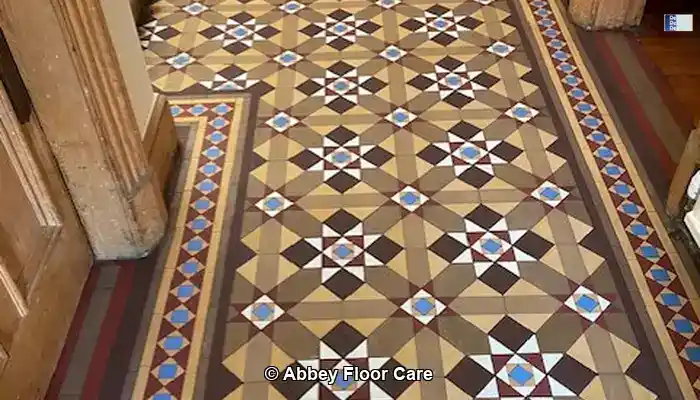
When we first visited this Victorian terraced home in Trinity, Edinburgh, the hallway and vestibule tiles told a familiar story. After more than 40 years of daily use, the floor had lost its sparkle. Stains, dull patches, and marks had built up over time, and everyday cleaning no longer made a difference. In some areas, unsuitable cleaning products had broken down the sealer, leaving the tiles vulnerable. Past repairs with mismatched tiles disrupted the original geometric design, making the floor appear patchy and uneven.
Pro Tip: We recommend these products for daily Travertine maintenance cleaning.

Fila Pro Floor Cleaner
|

LTP Colour Intensifier & Stainblock H20
|

Vileda H2PrO Spin Mop System
|
This is a common sight in Edinburgh’s period homes. Many properties still hold their original tiled floors, but years of wear and quick fixes often hide their true beauty. Restoring these features not only brings back colour and detail but also adds character and value to the property. It is always worth checking beneath old carpets or vinyl coverings — you may find a hidden gem waiting to be uncovered.
Before Restoration

The hallway tiles appeared dull and stained, with mismatched repairs breaking up the original pattern.
Initial inspection and test clean
Before starting any restoration, I carried out a detailed inspection. Moisture readings were taken because many Victorian floors were laid without a damp-proof membrane, and excess moisture can cause sealers to fail. I also performed a small test clean on part of the hallway. This gave the homeowner a preview of what was achievable and highlighted areas where replacement tiles would be needed to preserve authenticity.
After Restoration
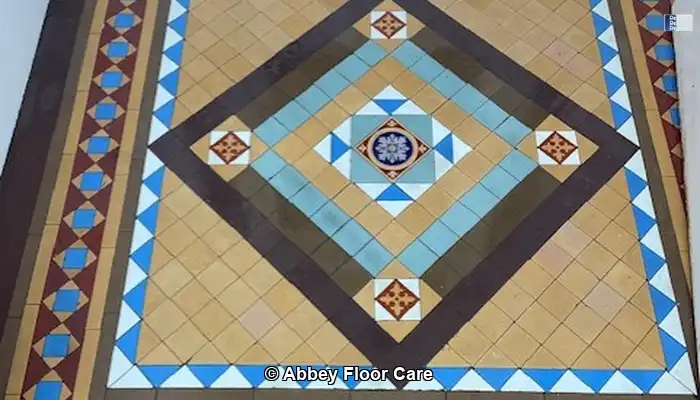
The same hallway after deep cleaning, repairs, and sealing — colours revived, patterns flowing, and the floor looking as it was meant to.
Why Victorian tile restoration matters in Edinburgh homes
Victorian tile restoration is about more than cleaning old floors. For many Edinburgh homeowners, those patterned tiles in the hallway or vestibule are part of the home’s identity. They set the tone when guests arrive and remind you of the property’s history every time you walk through the door. Restoring them brings back their colour and detail while ensuring they can withstand everyday use.
Signs of authentic Victorian mosaic patterns
Victorian mosaic floor restoration often begins with identifying clues that indicate a floor is original. Borders that step neatly into doorways, repeating motifs that run alongside skirting boards, and gentle fading where sunlight has hit the tiles are all signs of age. If the grout lines stay consistent and the patterns flow smoothly across thresholds, it usually means the floor has not been heavily altered.
Heritage value and property character
Heritage property flooring adds real depth to a home’s character. A well‑restored hallway or vestibule makes a strong first impression and reassures visitors and buyers alike that the property has been cared for. When tiles are cleaned, sealed, and structurally sound, they combine beauty with durability, giving homeowners confidence that their investment will last.
Identifying authentic Victorian tiles in heritage properties
Victorian tile restoration begins with knowing whether the floor you have is truly original. Many older homes in Edinburgh still hide their tiles under carpets, vinyl, or layers of paint. Lifting a corner or checking beneath thresholds can reveal patterned mosaics that bring back the home’s character. Spotting these hidden features early helps homeowners decide whether restoration is possible and worthwhile.
Common coverings hiding period floors
Heritage property flooring is often concealed by past renovations. In some homes, tiles were covered to modernise the look or to deal with wear. Unfortunately, these coverings can trap moisture, which can lead to staining. Removing them carefully is the first step to uncovering the original design without causing damage. A professional can advise on safe ways to lift coverings and reveal what lies beneath.
How professionals uncover tiles safely
Victorian mosaic floor restoration requires patience when uncovering hidden tiles. Experts use gentle methods to peel back layers, checking for signs of damage as they go. They look for clues such as consistent grout lines, repeating motifs, and colour fading that confirm authenticity. This careful approach reassures homeowners that the process will protect the floor’s heritage value while preparing it for cleaning and repair.
Professional inspection and moisture testing for period floors
Victorian tile restoration always begins with a careful inspection. Before any cleaning or sealing, professionals check the condition of the tiles and the subfloor beneath. This step reassures homeowners that the work will be safe and effective. It also helps identify issues such as loose tiles, cracks, or signs of damp that could affect the outcome.
Why moisture readings matter in old properties
Heritage property flooring often sits on older substrates that can hold moisture. If tiles are sealed while damp, the sealer may fail or trap water beneath the surface, leading to staining or efflorescence. Moisture testing gives a clear picture of whether the floor is ready for restoration. By waiting until readings are stable, professionals protect the tiles and ensure the finish lasts.
Risks of damp and sealer failure
Victorian mosaic floor restoration can be undermined if damp is ignored. Sealer applied too soon may peel, discolour, or leave patchy results. In some cases, trapped moisture can weaken grout lines or cause salts to rise to the surface. By addressing damp first, experts avoid costly rework and give homeowners confidence that their restored floor will remain strong and attractive.
Deep cleaning Victorian tiles with specialist techniques
Victorian tile restoration involves more than a quick mop or scrub. Over the decades, dirt, old sealers, and everyday wear build up in the tiles’ pores, leaving them dull and lifeless. Professional deep cleaning lifts this ingrained grime, revealing the natural colours and patterns that make these floors so distinctive. For homeowners, it is often the moment when the true beauty of their hallway or vestibule reappears.
Risks of unsuitable cleaning products
Heritage property flooring can be damaged by harsh chemicals or generic supermarket cleaners. These products may strip colour, weaken grout, or leave residues that attract more dirt. Many homeowners have tried DIY cleaning only to find the floor looks worse afterwards. Specialists use carefully selected solutions that break down old coatings without harming the tile surface, providing a safe, effective clean.
Tools and materials used by professionals
Victorian mosaic floor restoration is carried out with equipment designed for heritage surfaces. Rotary machines fitted with scrubbing pads gently cut back worn layers, while wet vacuums remove residues, leaving the floor fresh and ready for sealing. At corners and edges, hand tools are used to ensure every part of the floor is treated. This thorough approach ensures the whole surface is cleaned evenly, restoring both appearance and texture.
Managing efflorescence and mineral deposits in old properties
Victorian tile restoration sometimes reveals a white, powdery residue on the tiles’ surfaces. This is known as efflorescence, and it occurs when moisture in the floor draws mineral salts to the surface. For homeowners, it can be worrying to see, but it is a common issue in older properties and can be managed safely with the right approach.
What efflorescence looks like
Heritage property flooring affected by efflorescence often shows patches of chalky deposits that dull the tiles’ colour. These marks may appear after cleaning or when the floor dries out. While they may appear to be permanent damage, they are usually a sign of moisture movement rather than a fault in the tile itself. Recognising this helps homeowners understand that the problem can be treated rather than replaced.
Neutralising mineral salts
Victorian mosaic floor restoration includes steps to deal with efflorescence before sealing. Professionals use specialist rinses that neutralise the surface salts, but do not prevent them from returning, as this is a function of the installation, not the tiles. This prepares the tiles for sealing and ensures the finish will stay clear and even. By tackling efflorescence early, experts protect the floor’s appearance and give homeowners confidence that the restored surface will remain bright and clean.
Repairing and replacing damaged Victorian tiles with reclaimed materials
Victorian tile restoration is not only about cleaning and sealing. Many floors have suffered damage over the years, with cracked, loose, or missing tiles breaking up the original design. Repairing these areas is essential to restoring the pattern’s flow and making the floor safe to walk on. Homeowners often worry that repairs will look obvious, but with the right materials, the results blend seamlessly.
Choosing reclaimed tiles for repairs
Heritage property flooring deserves repairs that respect its age. Reclaimed Victorian tiles are sourced from other period homes and match the colour, texture, and thickness of the originals. Using these tiles avoids the artificial look of modern replacements and keeps the floor authentic. For homeowners, this means repairs that feel natural and preserve the property’s heritage value.
Preserving geometric patterns
Victorian mosaic floor restoration requires careful attention to the original layout. Geometric designs often carry a rhythm across thresholds and staircases, and mismatched repairs can disrupt that flow. Professionals study the existing pattern before resetting or replacing tiles, ensuring that every piece fits the design logic. This approach restores both beauty and coherence, giving homeowners confidence that their floor looks as it was intended.
Sealing Victorian tiles for long-term protection
Victorian tile restoration reaches its most important stage when the floor is sealed. Sealing locks in the results of cleaning and repairs, while protecting the tiles from everyday wear. For homeowners, this step means the restored floor will not only look beautiful but will also stand up to daily use without losing its character.
Benefits of impregnating sealers vs topical sealers
Heritage property flooring benefits most from breathable impregnating sealers. These products soak into the tile, protecting it from within while still allowing moisture to evaporate naturally. Topical sealers, which sit on the surface, can sometimes peel or trap damp in older floors. Choosing the right sealer ensures that the finish lasts and the floor remains healthy. Homeowners gain peace of mind knowing the protection is both effective and sympathetic to the property’s age.
Colour enhancement and durability
Victorian mosaic floor restoration often reveals colours that have been hidden for decades. Sealing enhances these tones, bringing out the reds, blues, and creams that define Victorian design. At the same time, the sealer guards against spills, stains, and scuffs, making the floor easier to maintain. For homeowners, this means enjoying a vibrant, authentic floor that is practical for everyday living.
Professional maintenance plans for restored floors
Victorian tile restoration does not end once the floor has been cleaned, repaired, and sealed. To keep the results looking their best, homeowners need a simple maintenance plan that fits into everyday life. With the right guidance, looking after restored tiles is straightforward and helps protect the investment for years to come.
Recommended pH-neutral cleaners
Heritage property flooring responds best to gentle cleaning products. Harsh chemicals or bleach can strip colour and damage sealers, while pH-neutral cleaners are safe and effective. These solutions lift everyday dirt without harming the surface, making them ideal for regular use. For homeowners, this means a routine that is easy to follow and keeps the floor fresh without risk.
Avoiding abrasive tools
Victorian mosaic floor restoration is protected when homeowners avoid abrasive brushes or scouring pads. These tools can scratch the tiles. Instead, soft cloths or mops are recommended, along with occasional professional check‑ups to ensure the floor remains in good condition. This approach reassures homeowners that their restored floor will stay beautiful and durable with minimal effort.
What Homeowners Should Know About Victorian Tile Restoration
- Restoration protects heritage value: Professional care keeps Victorian hallway and vestibule floors authentic and attractive.
- Moisture testing matters: Ensures sealers cure properly and prevents patchy finishes or salt deposits.
- Cleaning revives colour and detail: Heavy‑duty cleaning and rinsing remove ingrained dirt and mineral build‑up.
- Repairs maintain authenticity: Reclaimed tiles match age, texture, and colour for seamless repairs.
- Aftercare sustains results: Use pH‑neutral cleaners, avoid abrasives, and schedule periodic inspections.
This restoration is one of many real examples referenced in our Victorian tile cleaning and restoration guide, which explains why period hallways and vestibules get so worn—and what is normally needed to bring the tiles back safely.
Frequently Asked Questions About Victorian Tile Restoration
1. How long does Victorian tile restoration usually take?
Victorian tile restoration timelines depend on the floor’s size and condition. A small vestibule may take two to three days, while larger hallways with repairs can take a week or more. Clear scheduling from professionals helps homeowners plan with confidence.
2. Will the restoration damage my original tiles?
Heritage property flooring is handled with care using gentle cleaning solutions and specialist tools. The process is designed to protect the tiles, not harm them. Homeowners can feel reassured that the methods used are safe for period floors.
3. How much does professional restoration cost?
Victorian mosaic floor restoration costs vary depending on the area’s size and the level of damage. Professionals provide clear quotations so homeowners know exactly what is included. The investment protects both the property’s beauty and its value.
4. What kind of aftercare is needed once the floor is restored?
Heritage property flooring is easy to maintain with simple routines. Using pH-neutral cleaners and soft cloths or mops keeps the tiles fresh without risk. Occasional professional check‑ups ensure the sealer remains effective and the floor continues to look its best.
5. Do professionals offer guarantees for their work?
Victorian tile restoration is often backed by guarantees covering workmanship and materials. Homeowners also receive aftercare advice to help them maintain the floor. These assurances provide peace of mind and confirm that the restored tiles will remain a lasting feature of the home.
Balancing heritage value with everyday living
Victorian tile restoration is about more than preserving history. Homeowners want floors that look beautiful but also work for modern life. A restored hallway or vestibule should feel welcoming to guests, withstand daily traffic, and remain easy to clean. The right approach balances heritage value with practical comfort, so the floor becomes both a showpiece and a functional part of the home.
How restored floors impact property value
Heritage property flooring often becomes a highlight when buyers view a home. Original Victorian tiles professionally restored add character and authenticity, enhancing the property’s appeal and value. Instead of seeing worn or damaged surfaces, visitors see a cared‑for feature that reflects pride in ownership. For homeowners, this means restoration is not just about aesthetics but also about safeguarding investment.
Long-term enjoyment and care
Victorian mosaic floor restoration gives homeowners the chance to enjoy their floors every day without worry. Once cleaned, repaired, and sealed, the tiles are easier to maintain and more resilient against spills or scuffs. With simple routines and occasional professional check‑ups, the restored floor continues to look stunning for years. This balance of heritage and practicality ensures the home retains its charm while fitting comfortably into modern living.
9 Hazel Avenue
Lenzie
Glasgow
G66 4RR
07533-873-476
Copyright © Abbey Floor Care.
We are proud to be your local stone floor cleaning, polishing, and restoration specialists for homes and commercial properties in Central Scotland.
With years of experience working with all types of stone floors, our friendly and professional stone floor cleaning services can’t be beaten on price or service.
FAQ - Privacy Policy - Terms And Conditions
Abbey Floor Care is a participant in the Amazon Services LLC Associates Programme, an affiliate advertising programme designed to provide a means for websites to earn advertising fees by linking to Amazon.co.uk. As an Amazon Associate, we earn from qualifying purchases.