
How to Clean Marble Floors Safely (What to Avoid and When Cleaning Isn’t Enough)
Last Updated on February 27, 2026 by David
Marble floors bring a sense of calm elegance to a home, but they do not behave like ordinary hard flooring. Marble is softer, more porous, and more reactive than many people realise, which means cleaning needs to be done with care. This page explains how marble floors should be cleaned in real homes, what to avoid, and when routine cleaning stops being enough.
This guide is about everyday care and safe cleaning, not specialist restoration, so you can look after your marble floor without worrying about accidentally making things worse.
If you are looking for a straightforward checklist of what to do — and what to avoid — when cleaning marble floors, you may also find this practical guide helpful: Ten Simple Tips For Cleaning Marble Floors
It covers everyday habits that help reduce scratching, dullness, and chemical damage, and is especially useful if you want clear dos and don’ts without getting into technical detail.
Steam Cleaning and Marble Floors
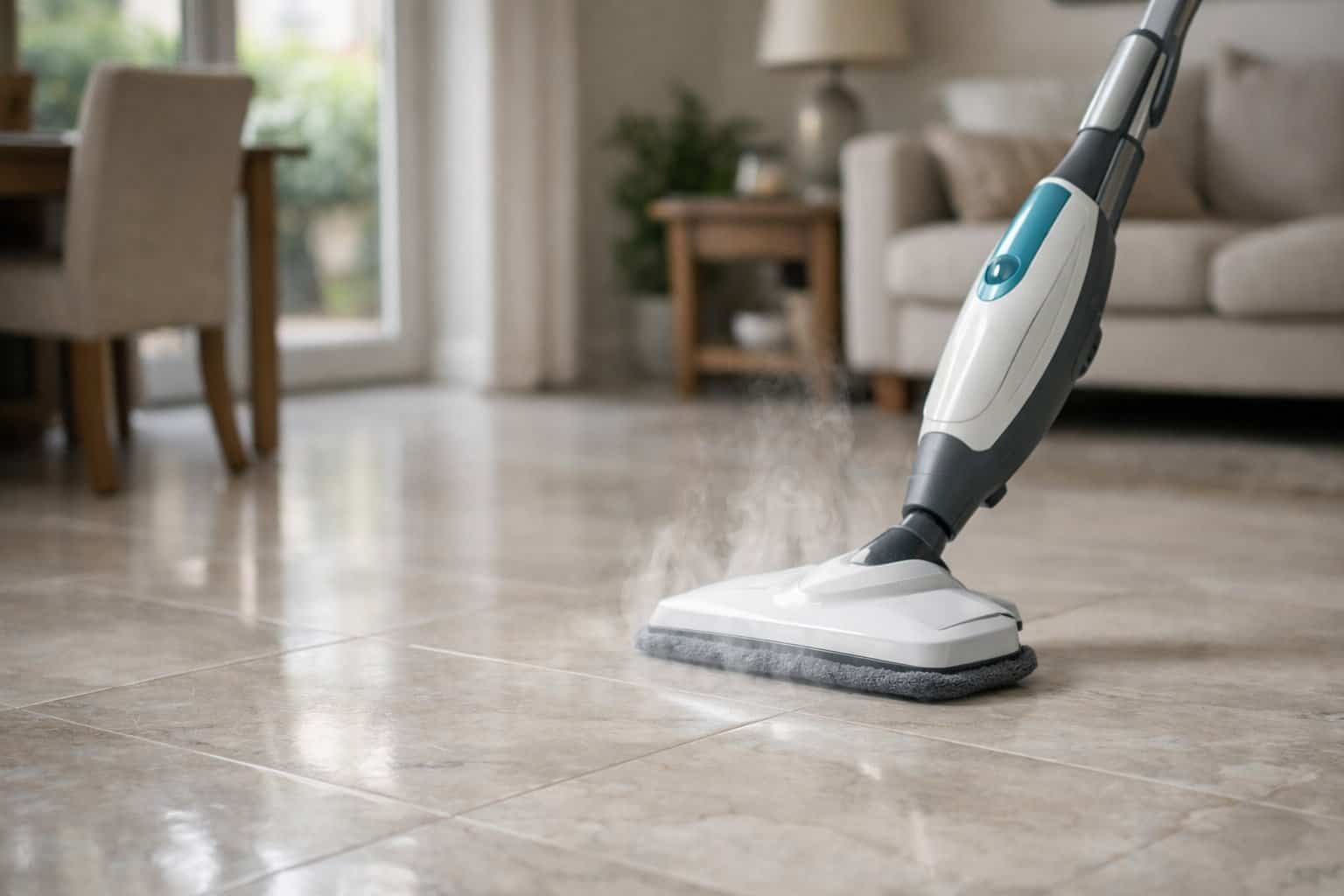
Heavy-duty commercial steam cleaners are not suitable for marble floors in the home. High heat can cause long-term damage and may affect fillers used in some installations.
Domestic steam cleaners are generally less aggressive, but they rarely clean marble as effectively as proper neutral cleaners and soft mops. Used incorrectly, they can also leave excess moisture on the surface.
Understanding Marble Before You Clean It
Marble is a natural stone formed when limestone is altered by heat and pressure within the earth. During this process, the stone recrystallises and develops the veining and colour variations people value so highly. Those same characteristics also make marble more vulnerable to damage from the wrong cleaning methods.
Compared to harder stones such as granite, marble is relatively soft and more porous. Liquids can penetrate the surface, and acidic or harsh chemicals can react with the stone itself, leaving dull patches or etched marks rather than surface dirt.
Routine Cleaning for Marble Floors
Regular, gentle cleaning is the most effective way to preserve the appearance of a marble floor. The aim is to remove abrasive dust and everyday soil before it can wear the surface.
- Use a dry dust mop or a vacuum with soft tools to remove grit and loose debris.
- Damp mop using a pH-neutral cleaner designed specifically for marble, diluted according to instructions.
- Use soft microfiber cloths or mops only — abrasive pads can damage the surface.
- Rinse with clean water and dry the floor to prevent water marks.
Avoid general household floor cleaners. Many contain acids or strong alkalis that will damage marble, even if the floor initially looks clean.
Everyday products commonly used for routine marble floor care
For day-to-day cleaning and general care, many homeowners choose simple, marble-safe products like the ones below. These are intended for routine maintenance only — they won’t fix etching, scratches, or worn finishes, but they can help you clean safely without causing unnecessary damage.

Fila Pro Floor Cleaner
A pH-neutral cleaner designed for regular cleaning of marble and other natural stone surfaces. |

LTP MPG Sealer H20
An impregnating sealer used on some marble floors to slow down liquid absorption. Sealing helps with staining but does not prevent etching or wear. |

Vileda H2PrO Spin Mop System
A microfiber spin mop system that allows controlled moisture levels, helping reduce over wetting on marble floors. |
Note: Stronger chemicals, abrasive tools, or aggressive cleaning methods are more likely to damage marble than improve its appearance.
Pro Tip: We use these for routine maintenance, but remember: even the best cleaner cannot fix physical scratches or etch marks. If the stone is physically worn, contact us before buying more products.
Should Marble Floors Be Sealed?
Sealing is often misunderstood when it comes to marble floors. A sealer does not make marble waterproof, stain-proof, or resistant to etching, and it does not stop scratching or surface wear. What it does is slow down how quickly liquids penetrate the stone, giving you more time to clean up spills before they cause staining.
Whether sealing is appropriate — and which type of sealer should be used — depends on the finish of the marble and how the floor is used. Polished marble behaves very differently to honed marble, and applying the wrong type of sealer can actually make a floor look worse rather than better.
Some sealers sit on the surface, while others penetrate below it. Used in the wrong situation, surface sealers can fail, discolour, or create patchy results that attract dirt and leave the floor looking dull.
To understand what sealing can realistically achieve, when it is beneficial, and when it is unnecessary or counterproductive, see our dedicated guide:
Sealing Stone and Marble Floors – What Sealers Can and Cannot Do
This explains the differences between impregnating and surface sealers, how finish affects performance, and why sealing should always be part of a wider care approach rather than relied on as protection.
Treating Spills and Early Staining
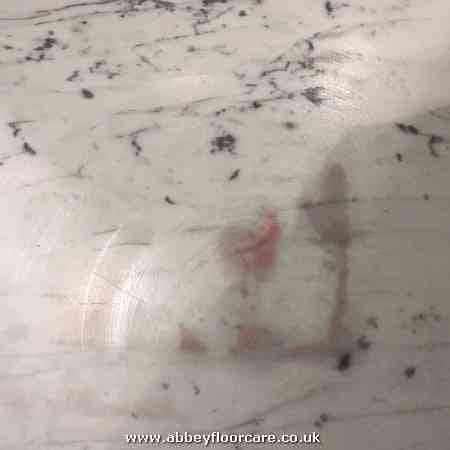
Spills should always be dealt with immediately. Blot liquids rather than wiping them across the surface, then clean the area using a neutral marble cleaner. Dry thoroughly once finished.
If a mark remains, it may be a stain rather than surface dirt. Different stains behave differently, and the safest treatment depends on what caused the mark and how deeply it has penetrated. For a clear breakdown of stain types, realistic outcomes, and when to stop before you cause more damage, see our guide: How To Remove Stains From Marble Tiles.
Using Poultices on Marble (With Care)
A poultice is sometimes used to draw staining out of marble. It works by pulling contaminants up into an absorbent material rather than scrubbing them deeper into the stone.
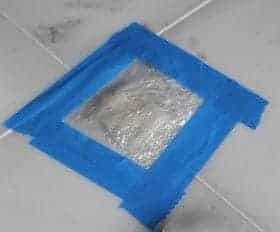
Poultices should be tested in an inconspicuous area first. Some chemicals can lighten darker marble or leave dull patches. If a stain does not respond after careful attempts, further treatment may require professional assessment.
Etch Marks Are Not Dirt
If your marble has dull or cloudy patches that don’t improve with normal cleaning, the issue may not be dirt at all. Many of these marks are caused by acidic damage known as etching, which cannot be cleaned away. DIY etch removal kits can sometimes improve very light marks, but they have clear limits. We explain what these kits can and cannot do, and when further attempts risk making the surface worse, in our guide: Do Marble Etch Removal Kits Actually Work? (Before You Buy).

Many marks people assume are stains are actually etch damage. Acidic substances such as fruit juice, vinegar, wine, and some cleaners react with marble and dull the surface. These marks are physical changes to the stone, not residues that can simply be washed away.
Very light etching may be improved with gentle buffing, but larger or deeper areas usually fall outside normal cleaning and require professional refinishing.
Why a marble floor can be clean but still look dull
Another common source of confusion with marble floors is overall dullness that remains even after careful cleaning.
In many cases, the floor is not dirty at all. The surface has simply worn over time. Foot traffic, fine grit, and repeated cleaning gradually create micro-scratching and fine surface wear that changes how light reflects off the stone.
This is why a marble floor can look flat or lifeless even straight after mopping. The original reflective finish has been worn away, so cleaning no longer changes the appearance.
If your marble looks the same before and after cleaning, the issue is no longer dirt — it’s surface wear.
At that point, stronger cleaners or more scrubbing will not restore the shine and can make the finish worse.
You can see a real example of this situation here: Bringing the shine back to a dull marble floor (case study)
When cleaning stops being enough
Once dullness, scratching, or widespread etching is present, restoring the appearance of marble is no longer a cleaning task. It becomes a surface correction issue.
The professional process used to correct this type of wear is called honing. Honing removes a very small amount of damaged marble from the surface and refines it in controlled stages so the finish becomes even again.
To understand what honing does, and how it differs from polishing (and why a mid-sheen honed finish can often be the more practical choice in busy homes), see: The Difference Between Marble Honing And Marble Polishing
If your marble floor has widespread dullness, deep etching, or staining that will not respond to careful cleaning, this usually indicates wear to the surface itself rather than dirt. At that point, specialist assessment is often required to restore the finish safely.
If you are unsure what your marble floor needs, professional advice can prevent unnecessary damage and help set realistic expectations for results.
Grout Cleaning on Marble Floors

Grout is often more porous than the marble tiles themselves and can darken over time as soil builds up. Cleaning should be done gently to avoid damaging the surrounding stone.
Use the same neutral marble cleaner, soft brushes, and light pressure. Abrasive powders or aggressive scrubbing can scratch the marble edges and permanently alter the finish.
Polished Marble and Ongoing Maintenance

Polished marble looks its best when the surface is kept clean and protected. Harsh chemicals, grit, and neglect gradually wear down the finish, making the floor appear dull even when clean.
Sealing helps slow down staining but does not make marble stain-proof. Regular cleaning, prompt spill removal, and sensible use of entrance mats all play a part in keeping the surface in good condition.
If your marble floor remains dull or patchy no matter how much you clean, the issue is likely surface wear rather than dirt, Contact Abbey Now for a professional assessment to see if your floor needs specialist honing to regain its original elegance.
Recent Posts:
We work throughout the country, just some of our work counties:
Copyright © 2026 Abbey Floor Care. Tile And Natural Stone Cleaning Consultants FAQ - Privacy Policy - Terms And Conditions
Abbey Floor Care is a participant in the Amazon Services LLC Associates Programme, an affiliate advertising programme designed to provide a means for websites to earn advertising fees by linking to Amazon.co.uk. As an Amazon Associate, we earn from qualifying purchases.