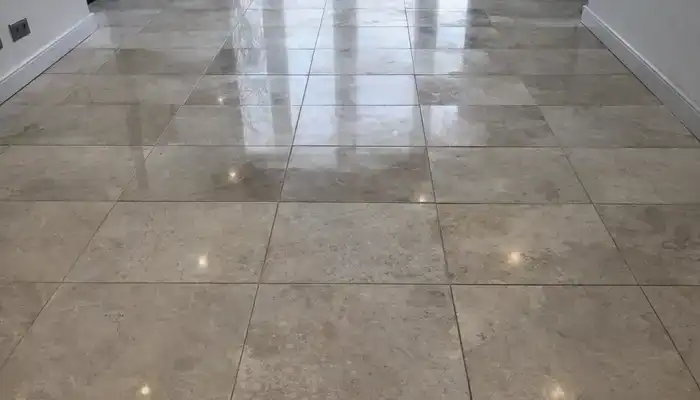
Marble – Care, Cleaning, Repair and Restoration Explained
Marble is beautiful — but it can be frustrating to live with. Many homeowners do everything “right” and still wonder why their marble floors never quite look clean.
Jump to:
Damage vs dirt ·
Routine cleaning ·
Etching vs staining ·
Sealing ·
Honing ·
Polishing ·
Restoration ·
Case studies
How to use this marble hub
If you’ve ever cleaned your marble and thought, “Why does it still look marked?”, you’re not alone. This page is designed to help you identify the problem first — because marble is far easier to damage than most people realise.
- If you’re just cleaning and maintaining: start with Routine cleaning.
- If you’re seeing marks, rings or cloudy patches: go straight to Damage vs dirt and Etching vs staining.
- If the floor looks dull, patchy or tired in walkways: read Honing, Polishing and Restoration.
- If you’re unsure: follow the links in each section — they’re written to keep things clear and practical.
Most marble problems are damage, not dirt
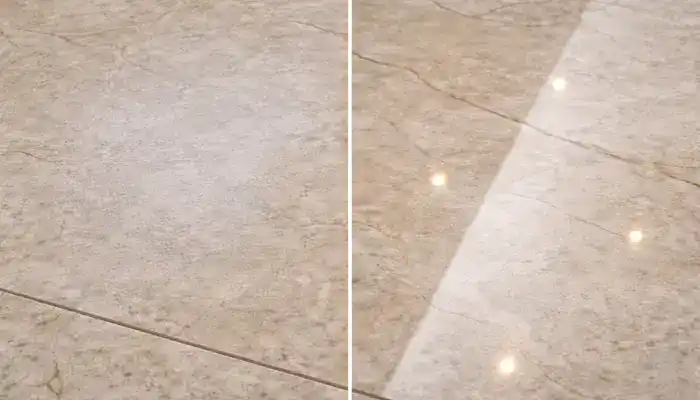
Here’s the key idea: marble can look “dirty” even when it’s perfectly clean, because the surface finish has changed. Think of it like a mirror that’s been lightly scuffed — it still works, but it no longer reflects light evenly.
Acidic splashes (wine, fruit juice, bathroom cleaners), gritty foot traffic, and even well-meaning cleaning can leave microscopic damage behind. Because marble reflects light so clearly, these changes tend to show up most in hallways, kitchens and bright living spaces.
If you want a practical “what should I do next?” starting point, begin here:
How To Clean Marble Floors – Professional Help.
Routine cleaning that won’t make marble worse
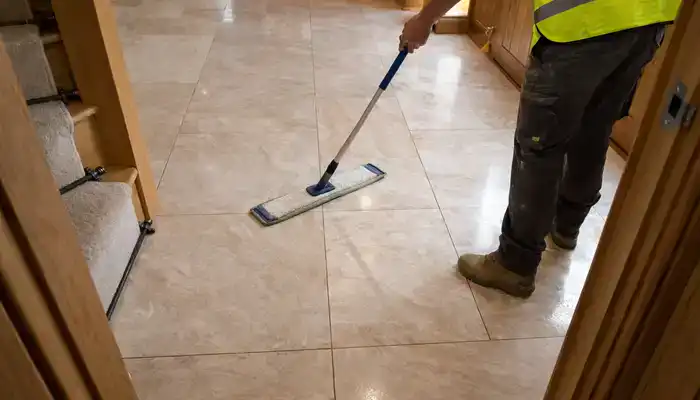
Marble care really comes down to two things: grit control and neutral cleaning. Most long-term dullness starts with tiny bits of grit acting like sandpaper under shoes — especially in busy walkways.
The safest routine is simple (if a little boring): remove grit often, use a microfibre mop, keep water to a minimum, and stick to a pH-neutral cleaner. Stronger products don’t repair damage — they usually just make it more visible.
For a shorter checklist-style guide, see:
Ten Simple Tips For Cleaning Marble Floors.
Etching vs staining (where most DIY goes wrong)
This distinction saves homeowners the most money and stress.
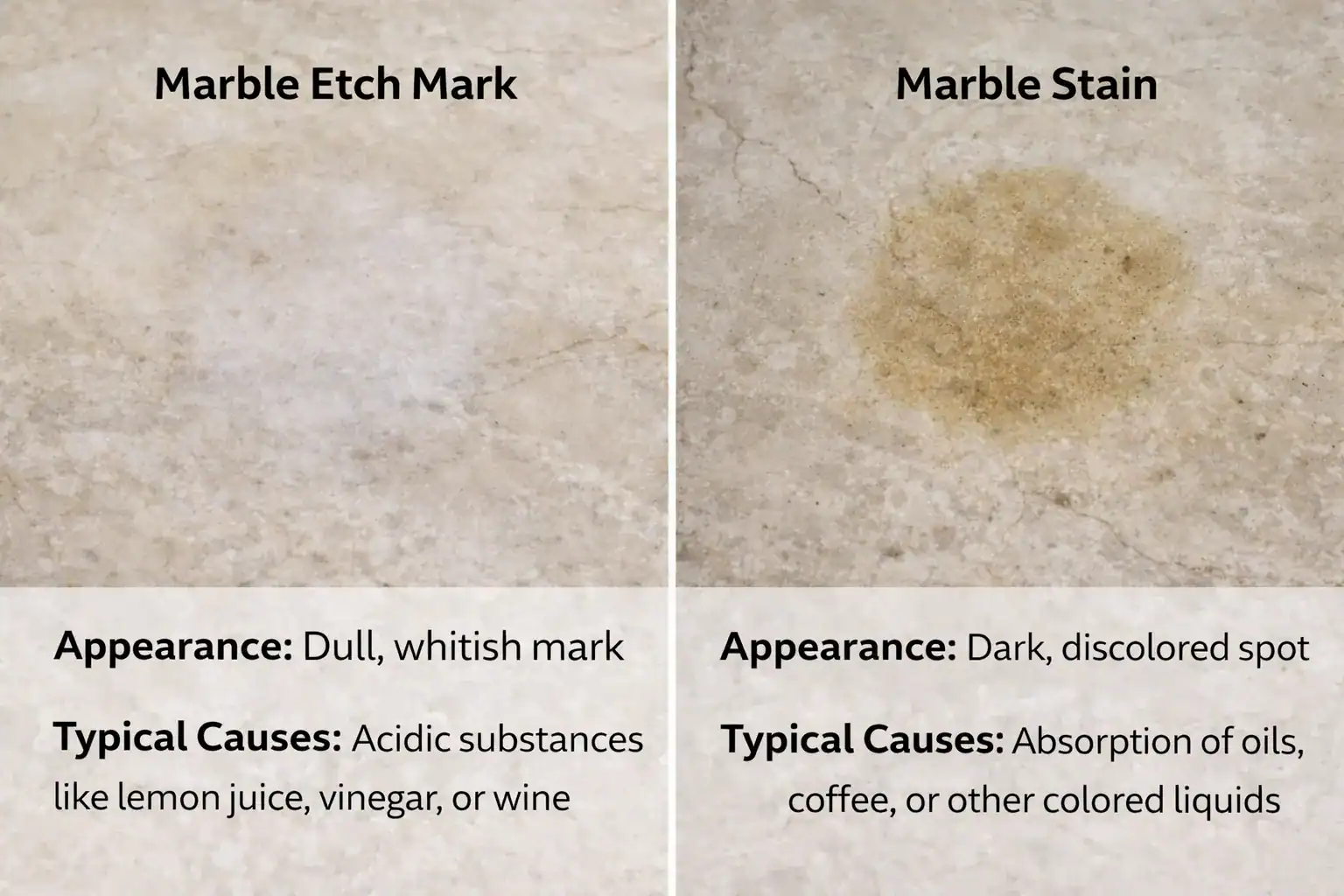
A stain is a colour change in the stone. An etch is chemical damage to the surface. They can look similar — especially under certain light — but they behave very differently and need completely different treatments.

If you’re tempted by a DIY etch kit, read this first:
Do Marble Etch Removal Kits Actually Work? (Before You Buy).
If the issue is genuine staining (not etching), use:
How To Remove Stains From Marble Tiles.
Sealing marble: what sealers can and can’t do
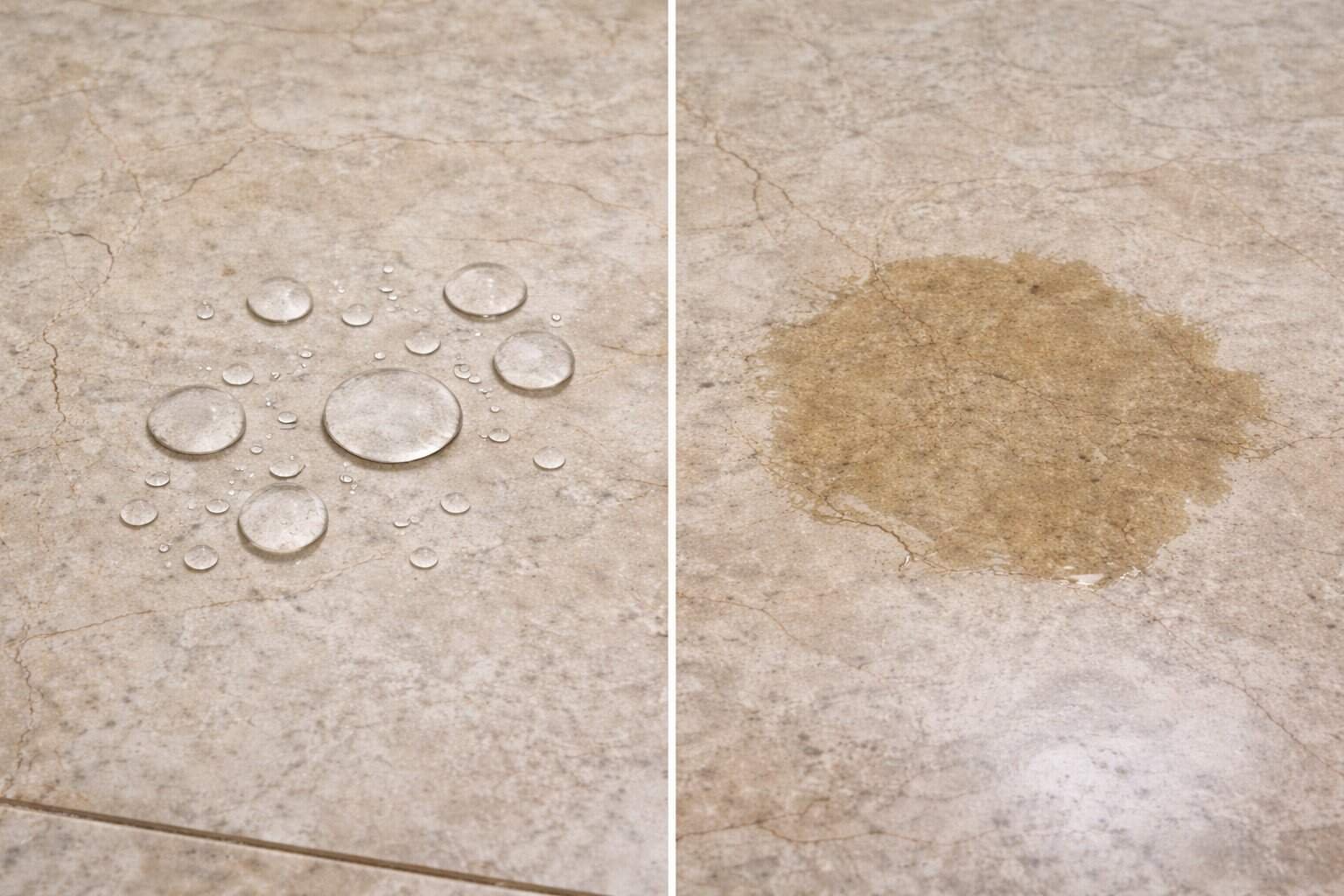
Sealers can be helpful — but they’re often misunderstood. A good impregnating sealer can slow down some stains, giving you time to wipe spills up. It doesn’t stop etching or scratches.
Used incorrectly, sealers (especially surface coatings) can peel, go patchy, or leave marble looking artificial rather than natural.
The full sealing guidance is here:
Are Your Marble Tiles Properly Sealed?.
Honing: the process that removes dullness and etching
If your marble looks uneven, cloudy, or worn in walkways, honing is often the step that makes everything look calm and even again. Honing uses diamond abrasives to remove a very thin layer of damaged stone.

What’s Involved In Honing Marble Tiles? ·
Marble Floor Honing Services
Polishing: restoring clarity and shine after honing
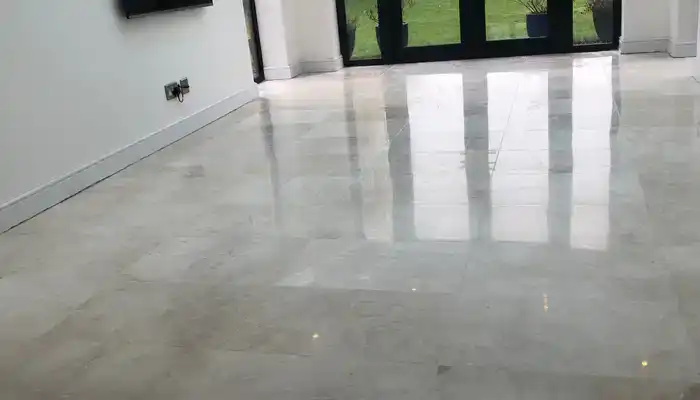
Polishing refines the honed surface to restore clarity and, if you want it, a higher shine. A good polish doesn’t just look shiny — it looks even across the whole floor.
Restoration: when marble needs more than a clean
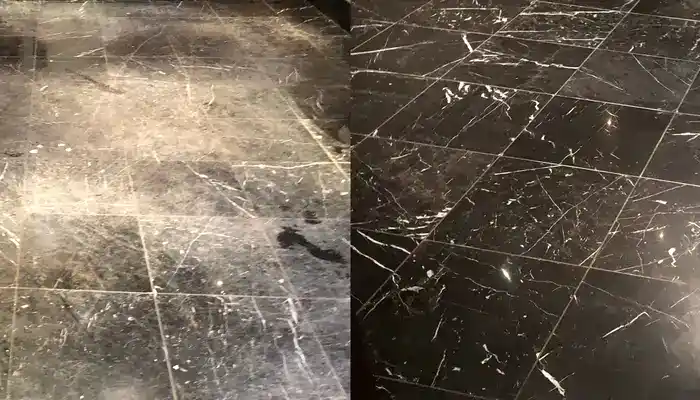
Restoration usually means combining several correction steps — cleaning, honing, polishing, sealing, and sometimes repairs — to bring the floor back to a consistent, liveable finish.
Marble Restoration: A Quick Introduction ·
Will Restored Marble Ever Look As Good As New?
Recent Posts:
We work throughout the country, just some of our work counties:
Copyright © 2025 Abbey Floor Care. Tile And Natural Stone Cleaning Consultants FAQ - Privacy Policy - Terms And Conditions
Abbey Floor Care is a participant in the Amazon Services LLC Associates Programme, an affiliate advertising programme designed to provide a means for websites to earn advertising fees by linking to Amazon.co.uk. As an Amazon Associate, we earn from qualifying purchases.