
Deep Cleaning Ceramic Tile Floors in Stirling: A Guide
Last Updated on February 5, 2026 by David
If your ceramic tile floor in Stirling never quite looks “properly clean” — even straight after mopping — you’re not on your own. Many homeowners end up stuck cleaning harder and harder, only to see streaks, haze, dull patches, or grout that looks darker than it should.
Most of the time, this isn’t because the tiles are absorbing dirt. Glazed ceramic tiles have a factory-finished, non-porous surface. The usual causes are residue left by cleaners, soil trapped in the surface texture, and porous grout that absorbs grime. Stirling’s damp conditions can also encourage mould growth in grout and silicone, making the entire floor look tired very quickly.
Why deep cleaning matters more than “regular mopping”
Looking after ceramic tile floors in Stirling goes beyond simple appearance. A proper deep clean resets the surface, lifts what everyday cleaning can’t reach, and stops the floor from looking worse the more you try. It also helps reduce allergens, damp-related mould, and the build-up that gathers in grout lines.
When the floor looks dull, streaky, or patchy

Ceramic tiles often look “filmy” for a straightforward reason: many everyday products leave something behind. Detergents, washing-up liquid, some supermarket sprays, and even overuse of pleasant-smelling cleaners can dry into a thin layer. In a certain light, that layer appears as smears, dullness, or uneven shine. It’s frustrating, especially when the floor looks fine when wet, only to be disappointing once it dries.
A deep clean focuses on removing that build-up so the tile surface looks even again — without damaging the glaze.
Why grout discolours faster than the tiles
Grout is usually the weak point. Unlike the tiles, cement-based grout is porous. It absorbs dirt, grease, limescale, dyes, and everyday foot traffic. Once grout darkens, the whole floor can look dirty, even if the tiles themselves are still in good condition.
Regular deep cleaning helps keep grout looking lighter and more consistent. It also lowers the risk of mould and mildew in damp areas, which is a common issue in bathrooms, utility rooms, and busy entrances.
A cleaner floor can mean cleaner air
Dust, allergens, and damp-related growth don’t just sit on the surface. They can lodge in grout lines and textured areas. Keeping the floor properly clean can help improve air quality, particularly if you have pets, children, or anyone sensitive to dust and mould.
Protecting the finish and extending the life of the floor

Ceramic tiles are hard-wearing, but the glaze itself can’t be “refinished” if it’s scratched or worn. That’s why the cleaning approach matters. Deep cleaning removes abrasive grit and sticky residues that make the floor look tired, without resorting to harsh scrubbing that risks dulling the surface.
It’s also important to understand the limit. Deep cleaning can remove contamination and staining, but it can’t repair cracked grout, replace chipped tiles, or undo damage caused by abrasive pads on a glazed surface.
Reducing germs and damp-related build-up
Tile floors are generally easier to keep hygienic than carpets, but they can still hold bacteria, grime, and mould where moisture lingers — especially in grout lines and silicone edges. A deeper clean helps remove what normal wiping misses and leaves the floor feeling genuinely refreshed, not just temporarily cleaned.
Tools and supplies that make deep cleaning easier
Deep cleaning works best when the tools suit the job. You don’t need shelves full of products, just a few basics that won’t damage the tiles.
Choose a tile-safe cleaner (and be wary of “shiny” products)
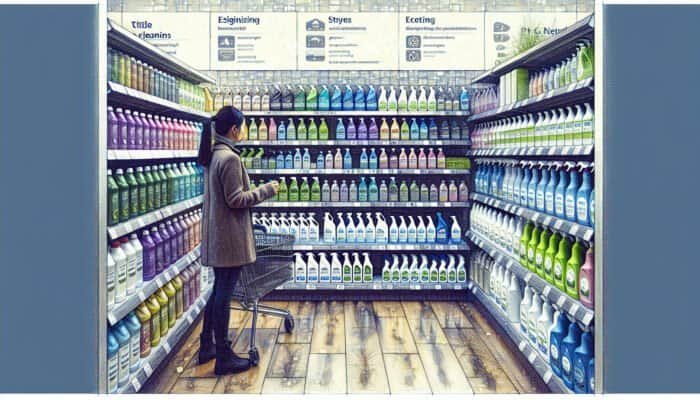
For everyday cleaning, a pH-neutral cleaner is the safest option. It cleans without attacking grout or leaving a heavy residue. Strong acids, bleach-based products, and detergent-heavy cleaners can bleach or weaken grout, leave films behind, and make the floor look uneven over time.
If the issue seems to be old build-up or grout haze, it often needs a more specific approach — usually a staged clean rather than a single “magic” product.
Use the right brushes (especially for grout lines)
A soft brush or non-abrasive scrubber helps lift grime without scratching. A grout brush is useful because grout lines collect dirt in narrow channels where a mop barely reaches.
Avoid abrasive pads on glazed ceramic. Even a “mild” scouring pad can leave fine scratches that permanently dull the finish.
Basic safety kit
Gloves, good ventilation, and simple comfort gear — like knee pads if you’ll be scrubbing — make the job safer and easier. If you’re using a stronger cleaner, follow the label instructions carefully and keep the room well ventilated.
A simple step-by-step deep clean (without damaging the glaze)
Deep cleaning doesn’t need to be dramatic. The aim is to remove what’s stuck to the surface and trapped in grout, then rinse properly so no film is left behind.
1) Clear the area and dry-clean first
Move furniture and anything that gets in the way. Then sweep thoroughly or vacuum with a hard-floor head. This removes grit that can scratch during scrubbing and stops loose dirt turning into a muddy paste.
2) Apply your cleaner in sections
Work in manageable areas so the cleaner doesn’t dry out before it loosens residue. Apply evenly with a mop or spray, following the product instructions. Let it sit briefly if the label allows — that dwell time helps break down stubborn build-up.
3) Agitate the surface and focus on the grout
Use a tile-safe scrubber or brush on the tiles and a grout brush along the lines. The aim is to lift contamination, not grind the surface. If a patch is stubborn, repeating the process is usually better than using an abrasive.
4) Rinse properly (this is where many floors go wrong)
Rinse with clean water and change it often. Any cleaner left behind can dry into streaks and haze — which is exactly what most people are trying to fix.
5) Dry the floor thoroughly
Use clean towels or a squeegee to remove excess water, especially in a humid home. Good airflow helps. Proper drying reduces water marks and lowers the risk of mould forming in damp grout and corners.
6) Final check: corners and grout lines
Once the floor is dry, take a quick look. If certain areas still look dull or patchy, it usually indicates residual grout or staining rather than simple dirt. A second pass on those spots often works better than scrubbing harder.
Dealing with stubborn stains (without guesswork)
Not all stains behave the same way, so it helps to know what you’re dealing with before tackling them.
Common stain types on ceramic tile floors
Food and drink marks: often respond to the right cleaner and some agitation.
Mould and mildew: common in damp areas and usually found in grout or silicone rather than on the tile surface.
Ink or dye marks: can be persistent and may need a targeted product that’s safe for ceramic and grout.
Use a product that matches the stain
Local retailers in Stirling stock a range of tile and grout cleaners. Choose a product designed for ceramic tiles (and grout), and follow the instructions carefully. If you’re unsure, testing a small, hidden area first is a sensible way to avoid unwanted discolouration or damage.
Simple habits that help stop stains returning
Small changes can make a real difference. Wipe up spills quickly, use mats in entrances and busy areas, and avoid products that leave a sticky film. In wet areas, good ventilation helps keep grout and edges from staying damp for long periods.
Keeping ceramic tiles looking good between deep cleans
Deep cleaning works best when it isn’t battling months of build-up. A steady routine keeps the floor looking more consistent and makes each deep clean easier.
Daily or regular routine
Sweep or vacuum regularly to remove grit. When mopping, keep it simple: use a pH-neutral cleaner, don’t overload the water, and skip “shiny” additives. Too much product is one of the quickest ways to create streaks and haze.
Quick checks that stop problems from growing
From time to time, check grout lines for darkening, corners for damp staining, and any areas that look patchy in angled light. Catching these early is far easier than trying to reverse heavy staining later.
Protect the floor from avoidable wear
Use felt pads under furniture legs and mats in high-traffic zones. Avoid abrasive pads on glazed ceramic — once the glaze is scratched, it can’t be restored with polishing or refinishing.
When professional deep cleaning becomes the sensible option
Sometimes the problem goes beyond what normal home cleaning can shift, especially if residue has built up over time, grout is heavily stained, or mould keeps returning despite repeated efforts.
Signs it may be time to bring in help
If you’ve tried sensible cleaning and the floor still dries patchy, the grout stays dark, or the tiles never look “finished”, professional deep cleaning can act as a reset. Specialist equipment can extract slurry and contamination more thoroughly, reducing the chance of grime settling back as the floor dries.
If you’re preparing to sell or rent, a properly cleaned floor can also lift the overall feel of the property, without the risk of damaging the tile finish through trial and error.
Choosing a reliable service in Stirling
Look for clear reviews and straightforward communication. A reputable cleaner will explain what they think is happening—whether it’s grout staining, residue, or texture that holds dirt —what can realistically be improved, and what won’t change with cleaning alone. They should also be insured and willing to give a clear quote.
What professionals can (and can’t) achieve
A professional deep clean can remove heavy contamination, restore a more even appearance, and significantly improve grout cleanliness. It can’t repair cracked grout, replace chipped tiles, or “refinish” a damaged ceramic glaze, because ceramic tiles are factory glazed and abrasion is not a restoration method.
Eco-friendly approaches (and where they help most)
If you prefer gentler options, some natural cleaners can work well for light soil and routine wiping. They’re not always effective for heavy residue or deep grout staining.
Natural options that can work for routine cleaning
Simple ingredients like baking soda can help with certain spot-cleaning tasks when used carefully. The key is avoiding harsh abrasion and rinsing well so no chalky film is left behind.
For bigger problems — haze that keeps returning, ingrained grime in grout, or damp-related mould — accuracy matters more than whether a product is natural or commercial. The right approach is the one that removes contamination without harming the grout or ceramic glaze.
Frequently Asked Questions
How often should I deep clean my ceramic tile floors?
Most homes benefit from a deep clean every 6 to 12 months, depending on foot traffic, pets, and whether the floor is in a wet area. Regular routine cleaning in between helps keep the deep clean manageable.
What cleaning solutions are safe for ceramic tiles?
pH-neutral cleaners are a safe everyday choice. Avoid abrasive pads on glazed ceramic, and be cautious with bleach, strong acids, and detergent-heavy products that can damage grout or leave a film.
Can I use a steam cleaner on ceramic tiles?
Steam can be helpful in certain situations, particularly for hard-surface hygiene, but it isn’t always suitable for grout and can cause problems if moisture is driven into vulnerable areas. If you use steam, keep it controlled and follow manufacturer guidance. For more on ceramic floors, see ceramic tile cleaning.
How do I prevent grout discolouration?
Keep grout lines clean; rinse thoroughly after mopping; avoid harsh cleaners that bleach or weaken grout; and address spills promptly. Grout is porous, so it discolours faster than tiles when it’s repeatedly exposed to dirt and residue.
Is it necessary to hire a professional cleaning service?
Not always. But if staining is stubborn, residue keeps recurring, or the floor hasn’t been deep-cleaned in a long time, professional cleaning can provide a deeper reset than routine home methods.
What tools do I need to deep-clean ceramic tiles?
The basics include a vacuum or broom, mop, pH-neutral cleaner, tile-safe scrubber, grout brush, clean rinse water, and towels for drying. Protective gloves are also sensible.
What’s the best way to tackle stubborn stains?
Identify the stain —food, mould, dye, limescale, or residue—and use a tile-safe approach that matches it. Repeating a gentle process usually works better than scrubbing aggressively on glazed ceramic.
How can I keep my ceramic tile floors looking good between deep cleans?
Sweep or vacuum regularly, mop with a pH-neutral cleaner without overusing the product, rinse thoroughly, and address spills promptly. This helps prevent film build-up and keeps grout lighter for longer.
Are there eco-friendly cleaning options for ceramic tiles?
Yes. Some natural options are fine for light cleaning, but heavier residue and grout staining often need a more targeted approach. Whatever you use, avoid abrasion of the glaze and rinse thoroughly to prevent film formation.
What should I do if my tiles are scratched?
Minor marks may be disguised with a repair kit, but glazed ceramic can’t be refinished once the surface is damaged. For deeper scratches or chips, replacement is usually the only proper fix.
Read more about caring for tile floors for broader guidance on keeping tiled surfaces looking consistent over time.

Article by: David Allen – Abbey Floor Care
Ceramic tile and natural stone floor specialist with over 30 years of hands-on experience in UK homes. David focuses on helping homeowners understand why ceramic tile floors lose their lustre, even with regular mopping. His work centres on identifying residue build-up, grout discolouration, and surface behaviour, and on explaining what cleaning can realistically improve and what it can’t.
9 Hazel Avenue
Lenzie
Glasgow
G66 4RR
07533-873-476
Copyright © Abbey Floor Care.
We are proud to be your local stone floor cleaning, polishing, and restoration specialists for homes and commercial properties in Central Scotland.
With years of experience working with all types of stone floors, our friendly and professional stone floor cleaning services can’t be beaten on price or service.
FAQ - Privacy Policy - Terms And Conditions
Abbey Floor Care is a participant in the Amazon Services LLC Associates Programme, an affiliate advertising programme designed to provide a means for websites to earn advertising fees by linking to Amazon.co.uk. As an Amazon Associate, we earn from qualifying purchases.